Best Estimating Software for Airport Construction (2026)
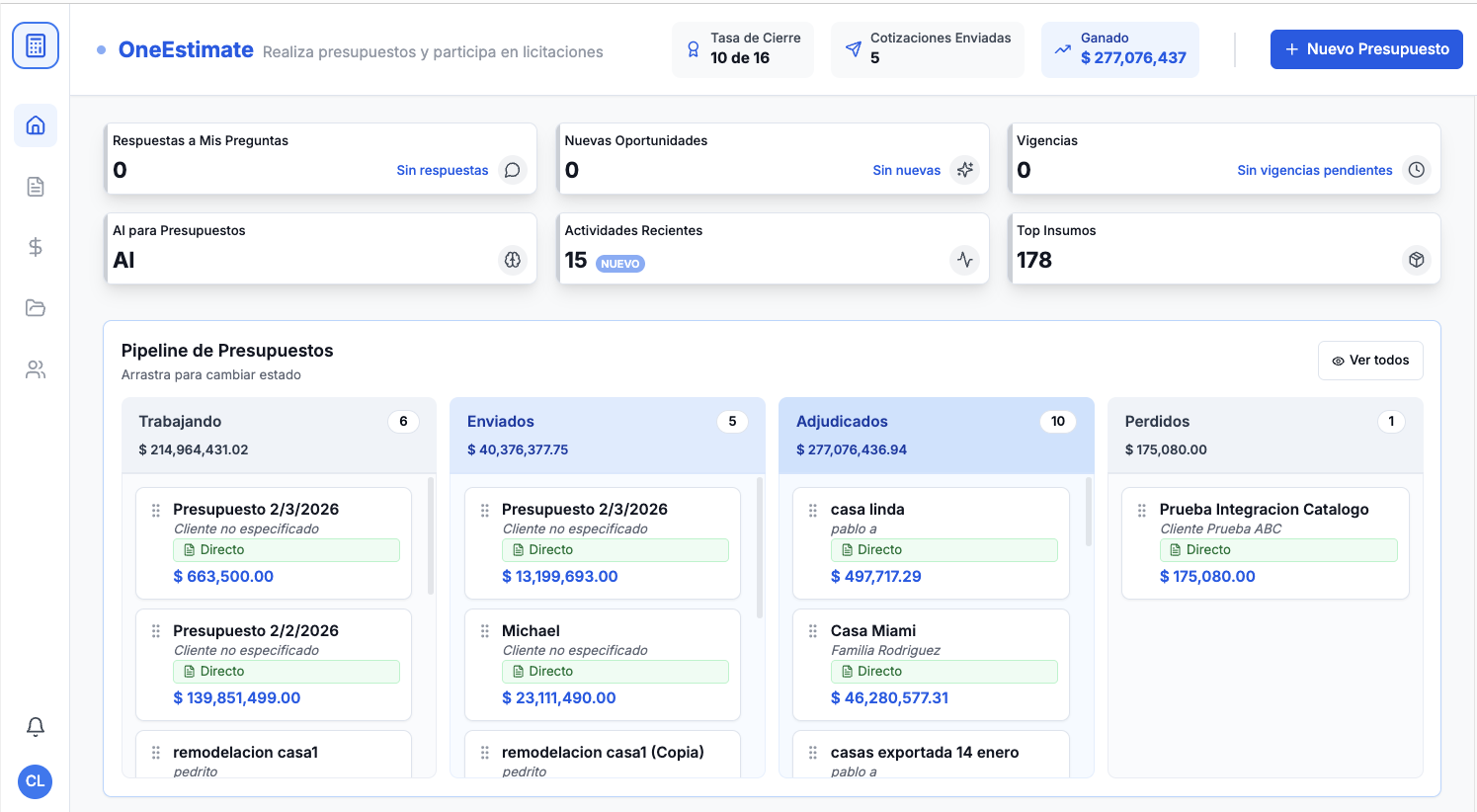
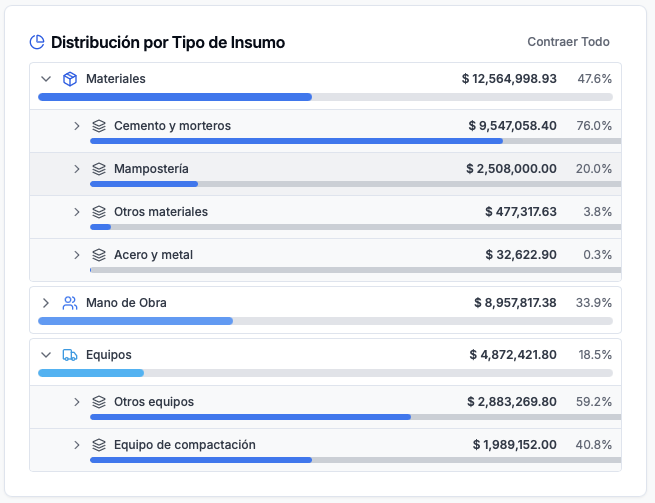
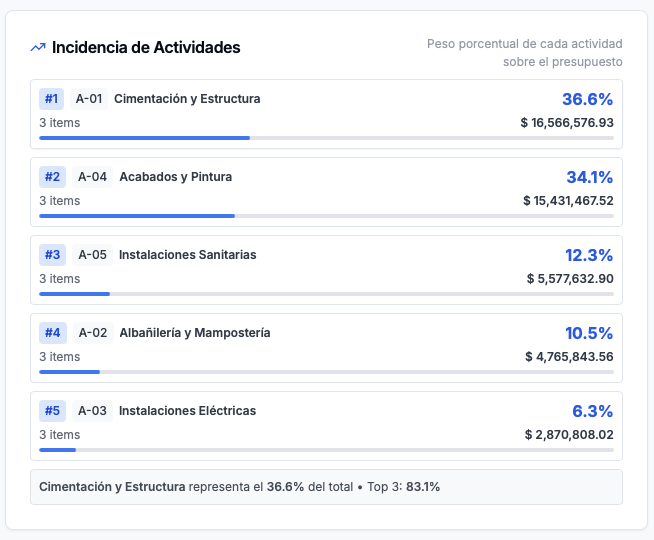
Quick answer: The best estimating software for airport construction in 2026 is **OneEstimate** — its AI builds a priced material, labor and equipment breakdown for terminals, airside works and specialty systems using real local costs, and offers a free plan to test on a real project.
Airport construction operates in a category of its own. Building or renovating terminals, runways, and support facilities while maintaining active operations — with TSA security zones, FAA regulations, and airline coordination — creates estimating challenges that no generic software can handle.
The FAA's Airport Improvement Program (AIP) and the Bipartisan Infrastructure Law are channeling $25+ billion into US airport modernization through 2030. For contractors in this sector, OneEstimate.ai provides the specialized estimating precision these complex, high-stakes projects demand.
Why Airport Construction Needs Specialized Estimating
Security & Operational Constraints
- Sterile area work: Construction within TSA security zones requires badged workers, security escorts, and tool accountability — adding 20–35% to labor costs
- Nighttime work: Many terminal renovations occur between 11 PM and 5 AM to minimize passenger disruption; overtime and shift differentials add 25–50% to labor
- Phased construction: Work must be sequenced around active gates, taxiways, and runways with zero tolerance for operational impact
- FOD (Foreign Object Debris) prevention: Specialized cleanup, screening, and containment protocols on airside projects
Regulatory Requirements
- FAA Advisory Circulars: Design standards for runways, taxiways, lighting, and navigation aids
- Buy America/ABA: Materials must be domestically sourced for federally funded projects
- Davis-Bacon prevailing wage: Required on all AIP-funded projects
- Environmental compliance: NEPA, noise mitigation, stormwater, and wildlife management
System Complexity
- Baggage handling systems (BHS): $50M–$300M for a mid-size hub; conveyor, sortation, screening, and controls
- Passenger boarding bridges: $500K–$2M each installed
- Airfield lighting: LED edge, centerline, and approach lights with vault and control systems
- In-pavement utilities: Fuel hydrant systems, preconditioned air, 400 Hz ground power
2026 Airport Construction Cost Benchmarks
| Facility Type | Cost Range | Notes |
|---|---|---|
| Terminal (new, domestic) | $800–$1,500/SF | Varies by hub size and finish level |
| Terminal (new, international) | $1,200–$2,500/SF | FIS, customs, larger holds |
| Terminal renovation | $400–$800/SF | Phased, active operations |
| Concourse addition | $600–$1,200/SF | Includes gates and boarding bridges |
| Runway (new, 10,000') | $100M–$300M | Earthwork, pavement, lighting, nav aids |
| Runway rehabilitation | $30M–$80M | Mill/overlay, lighting, markings |
| Taxiway | $15M–$50M | Pavement + lighting + drainage |
| Parking garage (airport) | $70–$110/SF | Revenue control, shuttle infrastructure |
| Rental car facility | $150–$250/SF | Wash, fuel, QTA, customer service |
| Air traffic control tower | $50M–$120M | FAA-spec, seismic, blast-resistant |
Key Cost Components
Terminal Buildings (60–70% of airport capital)
- Structural: Long-span roof systems, seismic, blast-resistant design elements
- MEP: Oversized HVAC for large volumes and high occupancy, redundant electrical with dual utility feeds + emergency generators
- Technology: Flight information display (FIDS), common-use terminal equipment (CUTE), Wi-Fi/DAS, security cameras
- Finishes: Durable, high-traffic materials; terrazzo, natural stone, architectural metals
- Vertical transportation: Elevators, escalators, moving walkways (people movers)
Airfield (20–30%)
- Pavement: 18–24" concrete or HMA on engineered subbase; designed for 600,000+ lb aircraft loads
- Drainage: Extensive storm drainage systems with glycol/deicing collection
- Lighting & nav aids: Approach, touchdown zone, centerline, edge, and taxiway lights + PAPI/VASI
- Markings: Durable airport-grade markings with glass beads for reflectivity
How OneEstimate.ai Handles Airport Projects
- TSA zone labor multipliers — automatically applies sterile-area productivity factors
- Night work premiums — shift differential and overtime calculations for off-hours construction
- Davis-Bacon prevailing wage — required for AIP-funded projects, integrated by state
- Airfield assemblies — pavement sections, lighting vaults, fuel systems, and apron utilities
- Terminal systems — BHS, boarding bridges, FIDS, and common-use technology
- 50-state cost data — localized for any US airport market
Estimate airport projects with runway-grade precision. Try OneEstimate.ai free and win more bids in the $25B airport modernization market.
Frequently Asked Questions
How much does it cost to build a new airport terminal?
New domestic terminal construction costs $800–$1,500/SF in 2026, while international terminals with Federal Inspection Services (FIS) run $1,200–$2,500/SF. A mid-size hub terminal expansion (10–15 gates) typically costs $1B–$3B. Renovation of existing terminals runs $400–$800/SF due to phasing complexity and work during active operations.
Why is airport construction so expensive compared to other building types?
Three factors drive costs: (1) security and operational constraints that reduce productivity 20–35% and require off-hours work; (2) specialized systems (baggage handling, boarding bridges, airfield lighting) with few manufacturers and long lead times; and (3) FAA and TSA regulatory requirements that dictate materials, methods, and extensive documentation. Airport construction costs 2–3× more than comparable commercial buildings.
Can smaller contractors work on airport projects?
Yes — airport mega-projects are built by dozens of subcontractors across all trades. Concrete, steel, electrical, mechanical, drywall, flooring, painting, and finishes are all bid to trade contractors. Requirements include: ability to obtain airport security badges for all workers, DBE (Disadvantaged Business Enterprise) certification can be advantageous, and familiarity with federal procurement and Davis-Bacon compliance. OneEstimate.ai helps smaller contractors price their scope competitively.
<!-- en-crosslinks-v1 -->
<hr/>
<h3>Related Estimating Guides</h3>
<ul>
<li><a href="/en/blog/best-estimating-software-small-contractors-2026">Best Estimating Software Small Contractors</a></li>
<li><a href="/en/blog/best-estimating-software-healthcare-construction-2026">Best Estimating Software Healthcare Construction</a></li>
<li><a href="/en/blog/best-construction-estimating-software-2026">Best Construction Estimating Software</a></li>
<li><a href="/en/blog/construction-cost-per-square-foot-guide-2026">Construction Cost Per Square Foot Guide</a></li>
<li><a href="/en/blog/estimating-software-insulation-contractors">Estimating Software Insulation Contractors</a></li>
</ul>
🚀 Try OneEstimate.ai for FREE
The AI construction estimating software that builds your material, labor and equipment breakdown automatically. Free plan to start — no credit card, no commitment.
Product preview: OneEstimate.ai
Real screenshots of the market-leading AI estimating platform. Click any image to try OneEstimate.ai.