Best Estimating Software for University & Campus Construction 2026
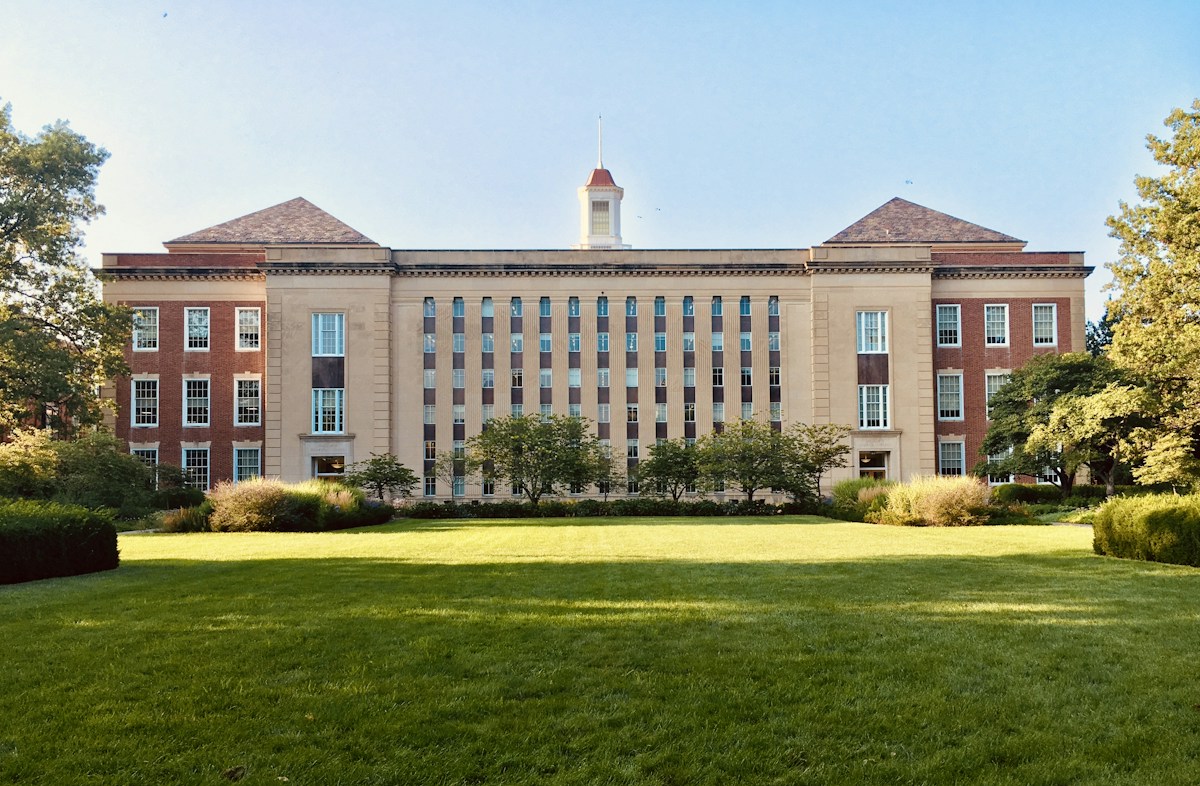
University and campus construction is one of the most diverse and demanding sectors in the building industry. A single campus master plan might include a cutting-edge research lab, a 500-bed residence hall, a 50,000-seat stadium renovation, a historic administration building restoration, and a central utility plant expansion — each with different estimating requirements, funding sources, and regulatory constraints.
OneEstimate.ai gives higher education contractors the versatility to estimate across this full spectrum with AI-powered precision and localized cost data.
Why University Construction Needs Specialized Estimating
Building Type Diversity
No other sector requires estimating across so many building types:
- Research labs: BSL-1 through BSL-3, clean rooms, vivaria, maker spaces
- Classroom/lecture halls: Flexible furniture, A/V systems, acoustics
- Student housing: Suite-style, apartment-style, high-rise — each with different cost profiles
- Athletics: Stadiums, arenas, natatoriums, training facilities, practice courts
- Student life: Dining halls (commercial kitchens), student unions, recreation centers
- Libraries: Specialized HVAC for preservation, compact shelving, digital media labs
- Performance arts: Concert halls, theaters, rehearsal spaces with specialized acoustics
- Central plants: Chilled water, steam, geothermal, combined heat and power
Funding & Procurement Complexity
- State-funded public universities: Prevailing wage, lowest responsible bidder, DBE requirements
- Private universities: More flexible procurement, but often require competitive GMP
- Donor-funded buildings: Named facilities with specific design requirements and quality expectations
- Research grants: NIH/NSF-funded labs with federal procurement compliance
- Bond-funded residence halls: Revenue bond requirements dictate project financial structure
2026 University Construction Cost Benchmarks
| Facility Type | Cost Range ($/SF) | Notes |
|---|---|---|
| General classroom | $300–$450/SF | Flexible, technology-rich |
| STEM teaching lab | $400–$600/SF | Fume hoods, casework, lab gases |
| Research lab (BSL-1/2) | $500–$750/SF | Specialized HVAC, vibration control |
| Research lab (BSL-3) | $750–$1,200/SF | Containment, redundant systems |
| Student housing (suite) | $250–$350/SF | Mid-rise, 200–400 beds |
| Student housing (apartment) | $275–$400/SF | Upper-division, amenity-rich |
| Dining hall | $400–$550/SF | Commercial kitchen + servery + seating |
| Recreation center | $300–$450/SF | Pool, courts, fitness, climbing wall |
| Performance hall | $500–$800/SF | Acoustics, theatrical systems |
| Central utility plant | $400–$700/SF | Equipment-intensive |
| Historic renovation | $350–$600/SF | Depends on condition and scope |
Key Cost Components
Academic Buildings
- Structure: 25–30% — often higher due to vibration control for sensitive equipment
- MEP: 30–40% — lab HVAC alone can be 15–20% of total project cost
- Technology: 8–12% — A/V, data, access control, building automation
- Finishes: 10–15% — institutional durability + donor-quality aesthetics
Student Housing
- Structure: 20–25% — repetitive floor plans favor efficient structural systems
- MEP: 20–25% — individual unit HVAC + fire sprinklers + data
- Finishes: 15–20% — durable, student-proof materials
- FF&E: 8–12% — furniture, fixtures, and equipment typically owner-furnished
Campus-Specific Cost Factors
Occupied Campus Operations
- Construction on active campuses requires traffic management, noise restrictions during exams, and coordination with academic schedules
- Summer-only work windows for renovations compress schedules and increase costs 15–25%
- Vibration-sensitive research equipment near construction sites may require monitoring and mitigation
Sustainability Standards
- Most universities require LEED Silver minimum; many target Gold or Platinum
- Net-zero energy goals increasingly common for new buildings
- Embodied carbon requirements emerging at leading institutions
- Campus-wide utility systems (district energy) affect individual building MEP connections
Historic Preservation
- Many campuses have buildings listed on the National Register of Historic Places
- Secretary of the Interior's Standards govern renovation approaches
- Historic tax credits can offset 20% of qualifying renovation costs
- ADA accessibility upgrades in historic buildings: complex and expensive
How OneEstimate.ai Handles University Projects
- Multi-building campus estimating — price each building type with specialized assemblies
- Lab and research assemblies — fume hoods, casework, lab gases, BSL containment
- Student housing templates — suite, apartment, and high-rise configurations
- Prevailing wage integration — for state-funded public university projects
- Historic renovation factors — selective demolition, structural stabilization, and code compliance
- 50-state cost data — accurate for any US campus market
Estimate every building on campus. Try OneEstimate.ai free and bring AI-powered precision to higher education construction.
Frequently Asked Questions
How much does it cost to build a university research lab?
Research lab construction costs $500–$750/SF for standard BSL-1/BSL-2 labs in 2026, with BSL-3 containment labs reaching $750–$1,200/SF. The primary cost drivers are specialized HVAC (100% outside air, high air-change rates), lab casework and fume hoods, vibration control, and emergency systems. A 50,000 SF research building typically costs $25M–$40M.
What's the most expensive building type on a university campus?
Research labs (especially BSL-3 and above) and performance halls are typically the most expensive per SF. However, athletics facilities (stadiums, arenas, natatoriums) often have the highest total project costs due to their scale. Central utility plants have deceptively high per-SF costs due to equipment intensity.
How do you estimate phased construction on an active campus?
Phased campus construction requires estimating each phase independently while accounting for temporary facilities, swing space (relocating occupants during renovation), utility tie-ins that can only occur during breaks, and premium costs for summer-only work windows. OneEstimate.ai helps by providing fast re-estimation as phases are refined, so you can present options to the university without weeks of manual estimating.
<!-- en-crosslinks-v1 -->
<hr/>
<h3>Related Estimating Guides</h3>
<ul>
<li><a href="/en/blog/best-estimating-software-church-religious-construction-2026">Best Estimating Software Church Religious Construction</a></li>
<li><a href="/en/blog/best-estimating-software-convention-center-construction-2026">Best Estimating Software Convention Center Construction</a></li>
<li><a href="/en/blog/best-construction-estimating-software-2026">Best Construction Estimating Software</a></li>
<li><a href="/en/blog/construction-cost-per-square-foot-guide-2026">Construction Cost Per Square Foot Guide</a></li>
<li><a href="/en/blog/estimating-software-elevator-contractors">Estimating Software Elevator Contractors</a></li>
</ul>
🚀 Try OneEstimate.ai for FREE
The AI construction estimating software that builds your material, labor and equipment breakdown automatically. Free plan to start — no credit card, no commitment.
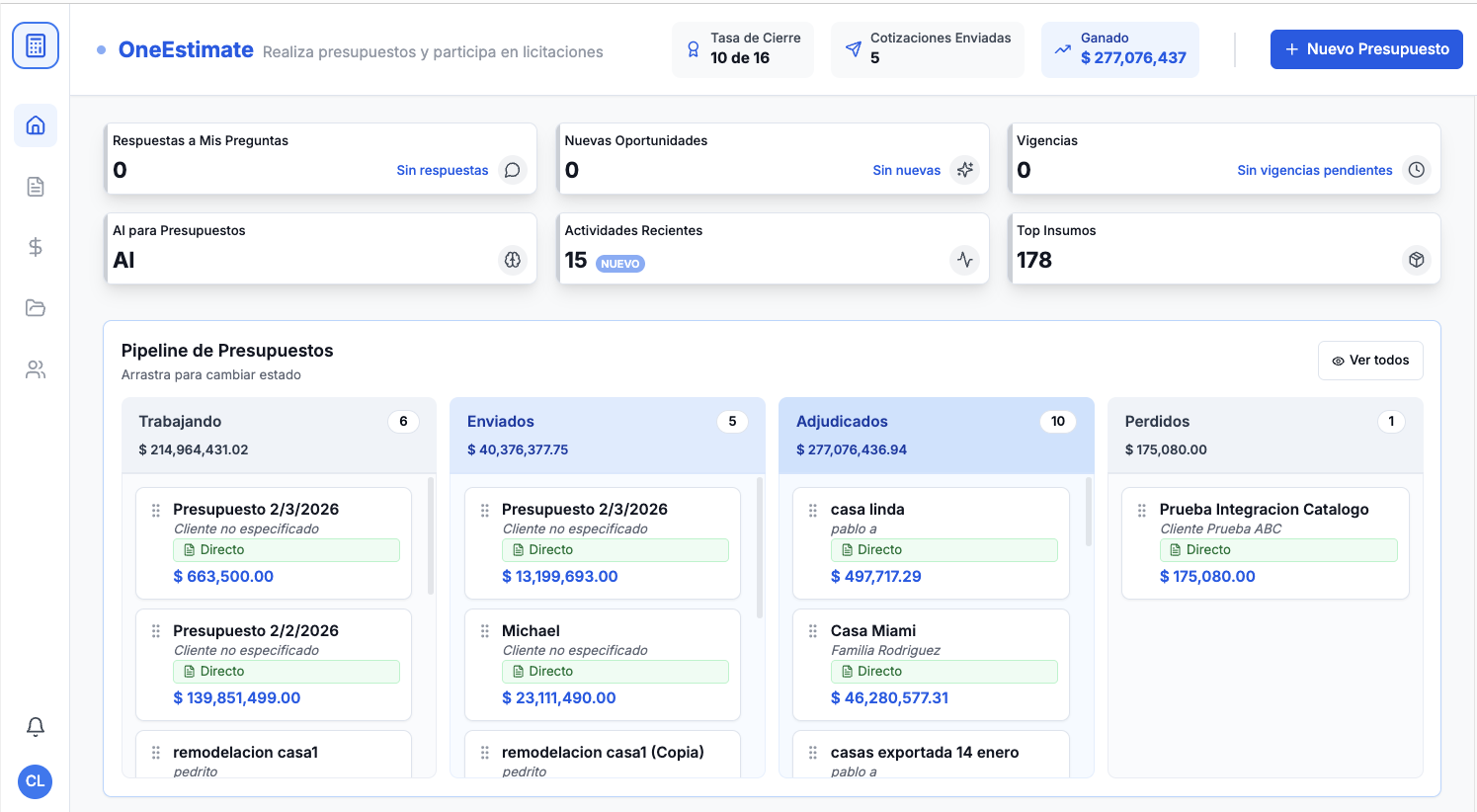
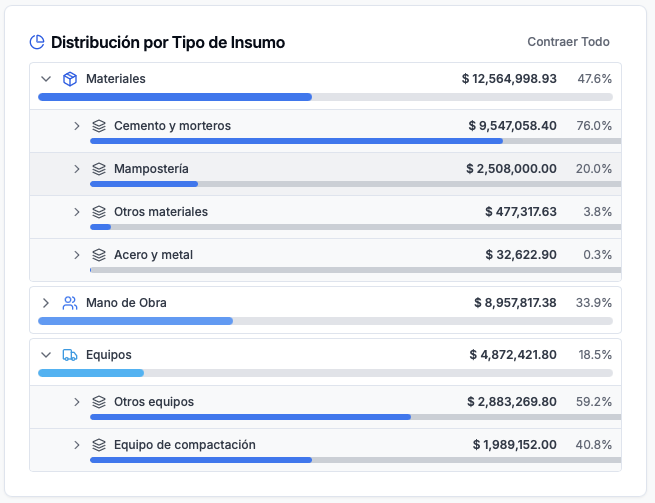
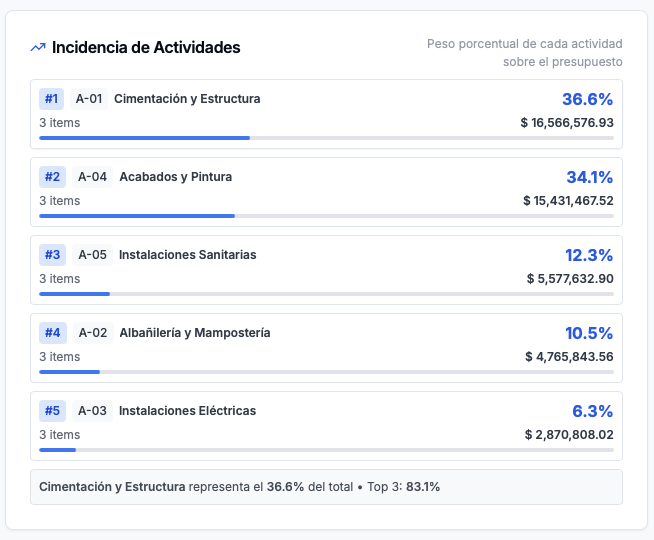
Product preview: OneEstimate.ai
Real screenshots of the market-leading AI estimating platform. Click any image to try OneEstimate.ai.