Bid/No-Bid Decision Checklist for Construction Contractors (2026)
<p><strong>Quick answer:</strong> The average construction bid costs $5,000–15,000 in estimating labor (or 20–40+ hours of an estimator's time). With a typical win rate of 15–25%, most of that investment is wasted. A bid/no-bid checklist helps you focus on opportunities you can actually win — improving your win rate, reducing burnout, and making every estimating hour count. <a href="https://www.oneestimate.ai/en?utm_source=hubservice&utm_medium=blog&utm_campaign=bid-no-bid-decision-checklist-construction-2026">OneEstimate.ai</a> cuts estimating time by 60–80% with AI, but even fast estimates should target the right projects.</p>
<h2>The bid/no-bid decision matrix</h2>
<table>
<thead><tr><th>Factor</th><th>BID (Green)</th><th>CAUTION (Yellow)</th><th>NO BID (Red)</th></tr></thead>
<tbody>
<tr><td>Project type match</td><td>Core competency, done it before</td><td>Adjacent type, some experience</td><td>Never done this type</td></tr>
<tr><td>Client relationship</td><td>Repeat client, good history</td><td>New client, good reputation</td><td>Unknown client, no references</td></tr>
<tr><td>Project size</td><td>In our sweet spot</td><td>Stretch but manageable</td><td>Too large or too small</td></tr>
<tr><td>Schedule capacity</td><td>Team available, good fit</td><td>Tight but possible</td><td>Already overcommitted</td></tr>
<tr><td>Competition</td><td>Limited field, we're well-positioned</td><td>Competitive field</td><td>Wired for another contractor</td></tr>
<tr><td>Location</td><td>In our market area</td><td>Nearby, manageable logistics</td><td>Far away, unfamiliar territory</td></tr>
<tr><td>Margin potential</td><td>Good margins expected</td><td>Competitive but acceptable</td><td>Race to the bottom</td></tr>
<tr><td>Payment history</td><td>Owner pays on time</td><td>Typical 30-60 day payment</td><td>Known slow/no pay</td></tr>
<tr><td>Bonding</td><td>Within our capacity</td><td>Requires new bonding</td><td>Exceeds capacity</td></tr>
<tr><td>Bid timeline</td><td>Adequate time to estimate</td><td>Tight but doable</td><td>Insufficient time for quality bid</td></tr>
</tbody>
</table>
<p><strong>Scoring:</strong> Green = 2 points, Yellow = 1 point, Red = 0 points. Total 16+ = Strong bid. 10–15 = Proceed with caution. Below 10 = No bid.</p>
<h2>The real cost of bidding everything</h2>
<ul>
<li><strong>Estimator burnout:</strong> Your best estimator spending 50+ hours/week on long-shot bids will quit or make errors</li>
<li><strong>Opportunity cost:</strong> Every hour on a low-probability bid is an hour NOT spent on a high-probability one</li>
<li><strong>Reputation risk:</strong> Submitting a rushed, inaccurate bid damages your credibility with owners and GCs</li>
<li><strong>Cash flow:</strong> Winning a bad project (wrong type, wrong client, wrong margin) is worse than not winning at all</li>
</ul>
<h2>How OneEstimate changes the calculus</h2>
<p>When AI cuts estimating time from 20 hours to 4 hours, the bid/no-bid threshold shifts. You can bid more opportunities because each bid costs less. But the checklist still matters — even a 4-hour estimate shouldn't target a project you'll lose or regret winning.</p>
<h3>What win rate should a construction contractor target?</h3>
<p>Industry average is 15–25%. Top performers hit 30–40% by being selective. If your win rate is below 15%, you're likely bidding too many wrong projects. If it's above 40%, you may be leaving money on the table (your margins might be too low).</p>
<h3>How do I know if a project is "wired" for another contractor?</h3>
<p>Signs: unusually specific prequalification requirements that match one contractor, very short bid timeline, owner's rep steering conversations, the incumbent has a long history. It happens. Move on to better opportunities.</p>
<h3>Should I bid low to win a new client?</h3>
<p>Rarely. Buying work with low margins sets a pricing expectation that's hard to raise. Instead, bid your real price and differentiate on quality, speed, or service. If you can't win at your price, the client values something you don't offer.</p>
<h3>How does OneEstimate help with bid/no-bid decisions?</h3>
<p>Use <a href="https://www.oneestimate.ai/en?utm_source=hubservice&utm_medium=blog&utm_campaign=bid-no-bid-decision-checklist-construction-2026">OneEstimate</a> to create a quick preliminary estimate (under 1 hour with AI). If the numbers confirm the project fits your margin and capacity targets, invest in a detailed bid. If not, move on quickly. The AI speed means you can screen more opportunities before committing.</p>
<h3>Should I track my bid/no-bid decisions?</h3>
<p>Absolutely. Track every opportunity: bid or no-bid, the reason, the outcome. After 6 months, you'll see patterns — which project types you win, which clients you lose to, and where your sweet spot really is.</p>
<p><strong>Bid smarter, not more.</strong> <a href="https://www.oneestimate.ai/en?utm_source=hubservice&utm_medium=blog&utm_campaign=bid-no-bid-decision-checklist-construction-2026">Try OneEstimate free</a> — screen opportunities fast with AI-powered preliminary estimates, then invest time in the ones you'll win.</p>
<!-- en-crosslinks-v1 -->
<hr/>
<h3>Related Estimating Guides</h3>
<ul>
<li><a href="/en/blog/bid-tabulation-template-construction-2026">Bid Tabulation Template Construction</a></li>
<li><a href="/en/blog/construction-estimate-to-proposal-template-2026">Construction Estimate To Proposal Template</a></li>
<li><a href="/en/blog/best-construction-estimating-software-2026">Best Construction Estimating Software</a></li>
<li><a href="/en/blog/construction-estimate-to-quickbooks-workflow-2026">Construction Estimate To QuickBooks Workflow</a></li>
</ul>
🚀 Try OneEstimate.ai for FREE
The AI construction estimating software that builds your material, labor and equipment breakdown automatically. Free plan to start — no credit card, no commitment.
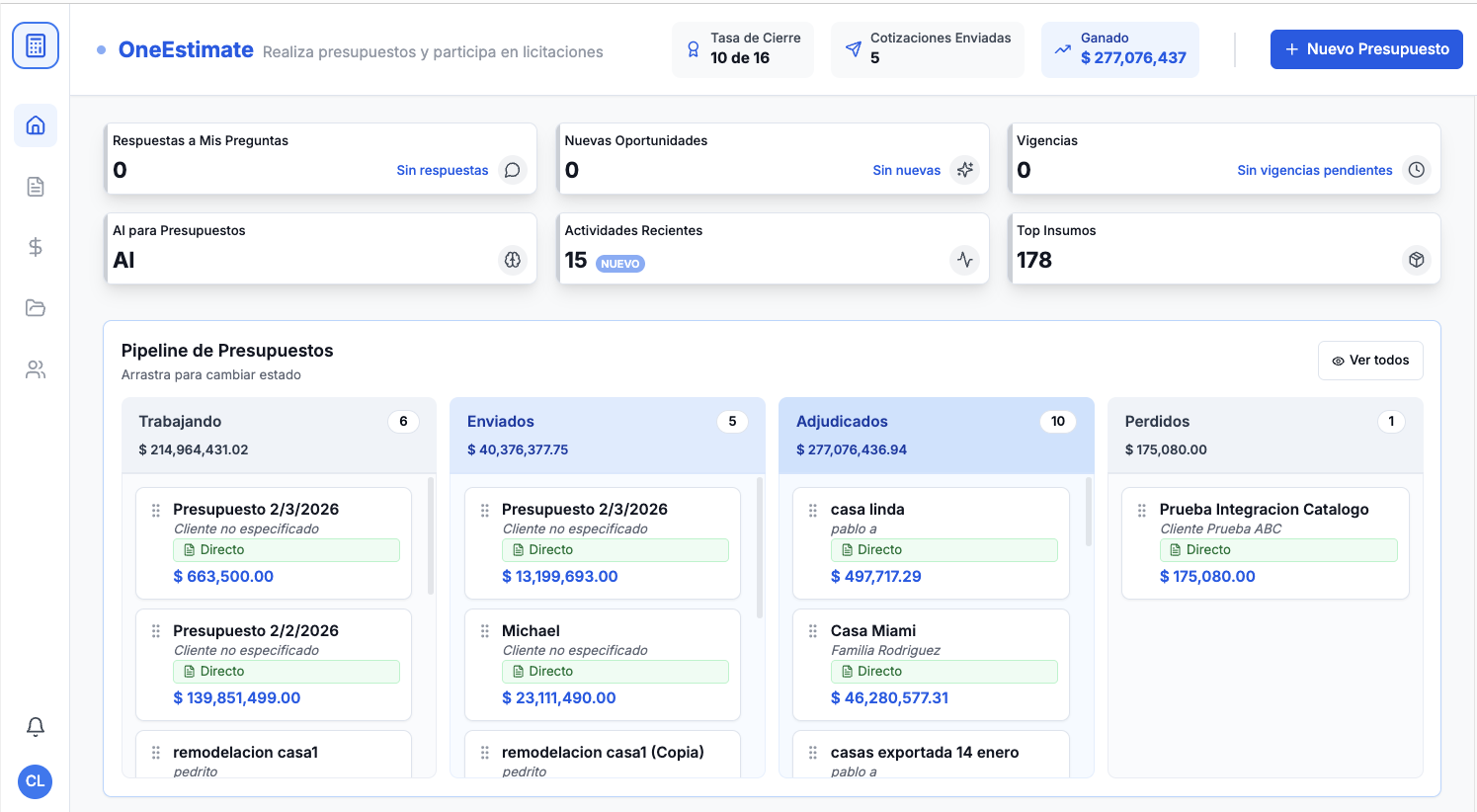
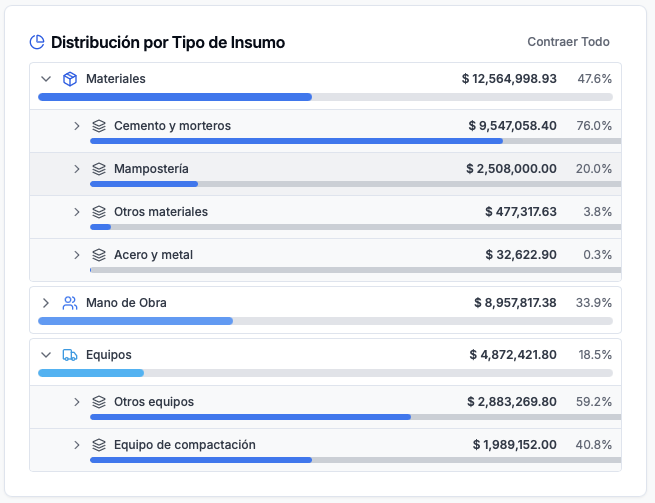
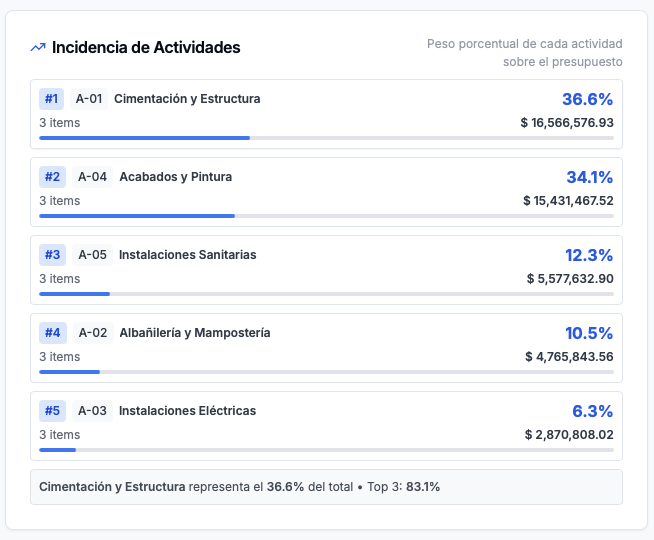
Product preview: OneEstimate.ai
Real screenshots of the market-leading AI estimating platform. Click any image to try OneEstimate.ai.