Bid Tabulation Template for Construction: Free Download & Leveling Guide (2026)
<p><strong>Quick answer:</strong> A bid tabulation (bid tab) is a side-by-side comparison of all bids received for a scope of work. It should compare not just price, but scope, exclusions, schedule, qualifications, and payment terms. The lowest bidder isn't always the best value — the bid tab helps you find the right contractor at the right price. <a href="https://www.oneestimate.ai/en?utm_source=hubservice&utm_medium=blog&utm_campaign=bid-tabulation-template-construction-2026">OneEstimate.ai</a> helps create the detailed estimate that anchors your bid comparison — when you know what the work should cost, you can evaluate bids with confidence.</p>
<h2>Bid tabulation structure</h2>
<table>
<thead><tr><th>Column</th><th>What to compare</th><th>Why it matters</th></tr></thead>
<tbody>
<tr><td>Bidder Name</td><td>Company name, contact, license #</td><td>Verify they're qualified</td></tr>
<tr><td>Base Bid</td><td>Total price per bidder</td><td>Primary comparison point</td></tr>
<tr><td>Alternates</td><td>Add/deduct for each alternate</td><td>May change the ranking</td></tr>
<tr><td>Scope Inclusions</td><td>What each bidder includes</td><td>Low bid may exclude key scope</td></tr>
<tr><td>Scope Exclusions</td><td>What each bidder explicitly excludes</td><td>The real comparison starts here</td></tr>
<tr><td>Assumptions</td><td>Conditions each bid depends on</td><td>Hidden risk in assumptions</td></tr>
<tr><td>Schedule</td><td>Proposed duration/dates</td><td>Faster isn't always better</td></tr>
<tr><td>Payment Terms</td><td>Retention, payment schedule, conditions</td><td>Affects your cash flow</td></tr>
<tr><td>Bonding/Insurance</td><td>Coverage confirmation</td><td>Required for many projects</td></tr>
<tr><td>Notes</td><td>Red flags, clarifications needed</td><td>Capture issues for follow-up</td></tr>
</tbody>
</table>
<h2>The bid leveling process</h2>
<p>Bid leveling adjusts bids to compare apples-to-apples:</p>
<ol>
<li><strong>List all exclusions.</strong> If Bidder A excludes dumpster removal and Bidder B includes it, add the estimated cost back to Bidder A's price.</li>
<li><strong>Standardize scope.</strong> Ensure all bidders are pricing the same scope. Add back any missing scope items at estimated cost.</li>
<li><strong>Normalize allowances.</strong> If bids include different allowance amounts, adjust to the same baseline.</li>
<li><strong>Compare adjusted totals.</strong> The "leveled" price is what each bidder would cost for identical scope.</li>
<li><strong>Evaluate non-price factors.</strong> Experience, references, schedule, safety record, and financial stability.</li>
</ol>
<h2>Your estimate is your anchor</h2>
<p>The best bid tabs start with a solid estimate. When you know what the work <em>should</em> cost (your OneEstimate baseline), you can instantly spot:</p>
<ul>
<li><strong>Bids that are too low</strong> — likely missing scope, or the contractor doesn't understand the job</li>
<li><strong>Bids that are too high</strong> — mark up is excessive, or they're not competitive on this project type</li>
<li><strong>The reasonable range</strong> — typically ±10-15% of your estimate for competitive markets</li>
</ul>
<h3>What's the difference between bid tabulation and bid leveling?</h3>
<p>Bid tabulation is the raw side-by-side comparison. Bid leveling adjusts the numbers to account for scope differences, exclusions, and allowances — so you're comparing equivalent scope, not just face-value prices.</p>
<h3>How many bids should I get for each scope?</h3>
<p>Industry standard is 3-5 bids per scope for private work. Public work requirements vary by jurisdiction (often 3 minimum). More than 5 bidders usually means diminishing returns.</p>
<h3>What if the lowest bidder has the most exclusions?</h3>
<p>That's exactly what the leveling process catches. After adding back excluded scope at estimated cost, the "lowest" bidder often isn't lowest anymore. This is why you need both a bid tab AND a solid estimate to evaluate bids.</p>
<h3>Should I share my estimate with bidders?</h3>
<p>Never share your detailed estimate. You may share a budget range to help bidders calibrate, but your line-item estimate is your competitive advantage in negotiations.</p>
<h3>How do I use OneEstimate for bid tabulation?</h3>
<p>Create your estimate in <a href="https://www.oneestimate.ai/en?utm_source=hubservice&utm_medium=blog&utm_campaign=bid-tabulation-template-construction-2026">OneEstimate</a> to establish the baseline cost. When sub bids come in, compare them against your estimate by cost code. Flag any sub bid that's 15%+ below your estimate — it likely has scope gaps.</p>
<p><strong>Compare bids with confidence.</strong> <a href="https://www.oneestimate.ai/en?utm_source=hubservice&utm_medium=blog&utm_campaign=bid-tabulation-template-construction-2026">Try OneEstimate free</a> — know what the work should cost before you evaluate sub bids.</p>
<!-- en-crosslinks-v1 -->
<hr/>
<h3>Related Estimating Guides</h3>
<ul>
<li><a href="/en/blog/construction-bid-form-template-alternates-2026">Construction Bid Form Template Alternates</a></li>
<li><a href="/en/blog/bid-no-bid-decision-checklist-construction-2026">Bid No Bid Decision Checklist Construction</a></li>
<li><a href="/en/blog/best-construction-estimating-software-2026">Best Construction Estimating Software</a></li>
<li><a href="/en/blog/construction-estimate-to-quickbooks-workflow-2026">Construction Estimate To QuickBooks Workflow</a></li>
</ul>
🚀 Try OneEstimate.ai for FREE
The AI construction estimating software that builds your material, labor and equipment breakdown automatically. Free plan to start — no credit card, no commitment.
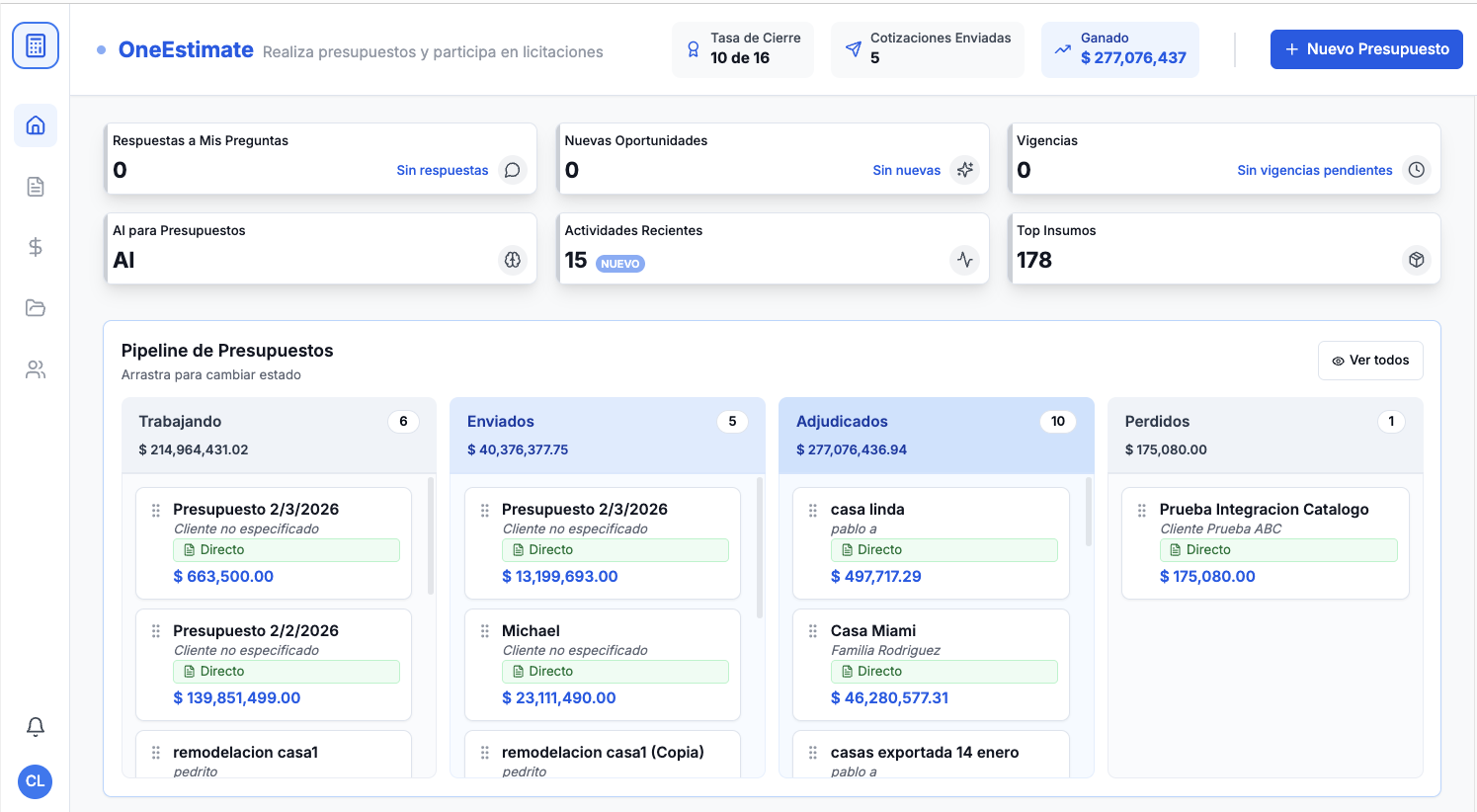
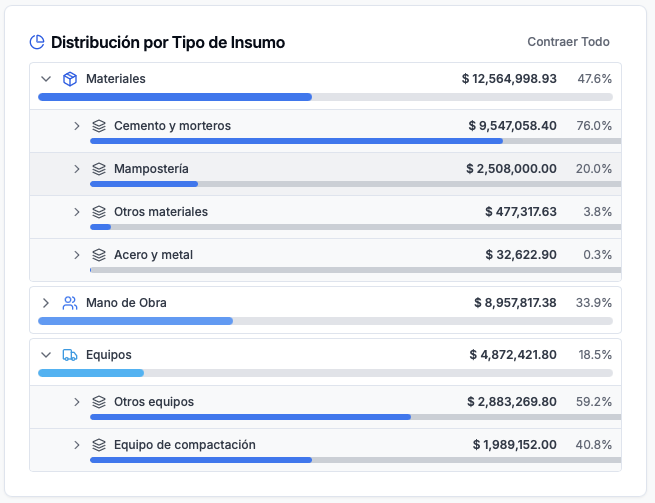
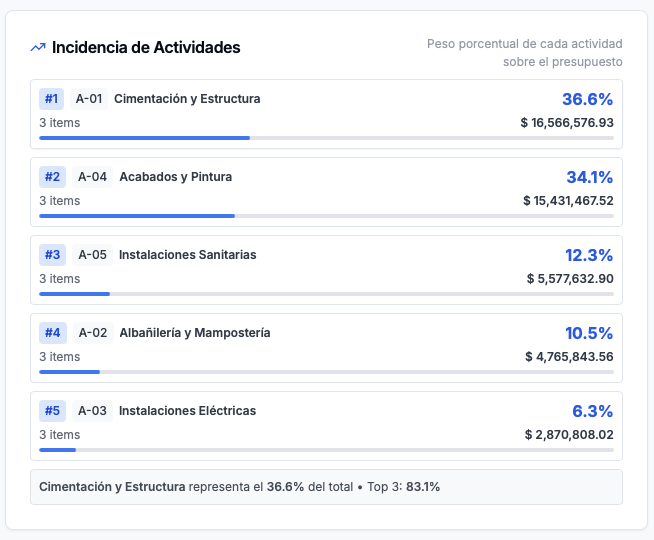
Product preview: OneEstimate.ai
Real screenshots of the market-leading AI estimating platform. Click any image to try OneEstimate.ai.