Construction Bonding & Insurance Guide for Contractors (2026)
Understanding bonding and insurance is critical for any contractor pursuing commercial, government, or large residential projects. This guide breaks down the types of bonds, insurance coverage, costs, and how accurate estimating ties directly to your bonding capacity.
Types of Construction Bonds
Bid Bonds
Guarantee that you'll honor your bid price if selected. Typically 5 – 10% of the bid amount. Cost: usually free or minimal (included in your surety line).
Performance Bonds
Guarantee you'll complete the project per contract terms. Required on virtually all public projects and many private ones.
Payment Bonds
Guarantee you'll pay subcontractors and suppliers. Often required alongside performance bonds, especially on public works (Miller Act for federal, Little Miller Acts for states).
Bond Cost Breakdown
| Bond Type | Typical Premium | Basis |
|---|---|---|
| Bid bond | 0 – 1% | Bid amount |
| Performance bond | 1 – 3% | Contract value |
| Payment bond | 0.5 – 2% | Contract value |
| Maintenance bond | 0.5 – 1.5% | Contract value |
Essential Contractor Insurance
| Coverage | Typical Annual Cost | What It Covers |
|---|---|---|
| General liability | $2,500 – $8,000 | Third-party injury/property damage |
| Workers' comp | 3 – 15% of payroll | Employee injuries |
| Builder's risk | 1 – 4% of project value | In-progress construction damage |
| Professional liability | $1,500 – $5,000 | Design errors (design-build) |
| Commercial auto | $1,200 – $4,000 | Fleet vehicles |
| Umbrella / excess | $1,500 – $6,000 | Extends all underlying limits |
How Accurate Estimating Increases Bonding Capacity
Surety companies evaluate your estimating accuracy when setting bonding limits. Contractors who consistently deliver projects within budget get:
- Higher single-project limits — take on bigger jobs
- Higher aggregate limits — run more projects simultaneously
- Lower premiums — better loss history = better rates
OneEstimate.ai helps contractors produce consistently accurate estimates that build surety confidence over time.
Frequently Asked Questions
How much does a construction bond cost?
Performance bonds typically cost 1 – 3% of the contract value. A $1M project would cost $10K – $30K for a performance bond. Rates depend on your financial strength and track record.
Do I need bonding for residential construction?
Bonding is generally not required for residential projects unless the homeowner or lender requires it. It's standard for commercial and government work.
How does estimating accuracy affect my bonding?
Surety underwriters review your estimating track record. Consistently accurate estimates (actuals within 5% of estimates) demonstrate competence and increase your bonding capacity.
What's the difference between bonding and insurance?
Bonds guarantee project completion and payment to third parties. Insurance protects you against losses. Bonds are a credit instrument — if the surety pays a claim, you owe them back.
<!-- en-crosslinks-v1 -->
<hr/>
<h3>Related Estimating Guides</h3>
<ul>
<li><a href="/en/blog/best-construction-estimating-software-2026">Best Construction Estimating Software</a></li>
<li><a href="/en/blog/ai-construction-estimating-software-usa">AI Construction Estimating Software USA</a></li>
<li><a href="/en/blog/construction-cost-per-square-foot-guide-2026">Construction Cost Per Square Foot Guide</a></li>
<li><a href="/en/blog/estimating-software-fencing-contractors">Estimating Software Fencing Contractors</a></li>
</ul>
🚀 Try OneEstimate.ai for FREE
The AI construction estimating software that builds your material, labor and equipment breakdown automatically. Free plan to start — no credit card, no commitment.
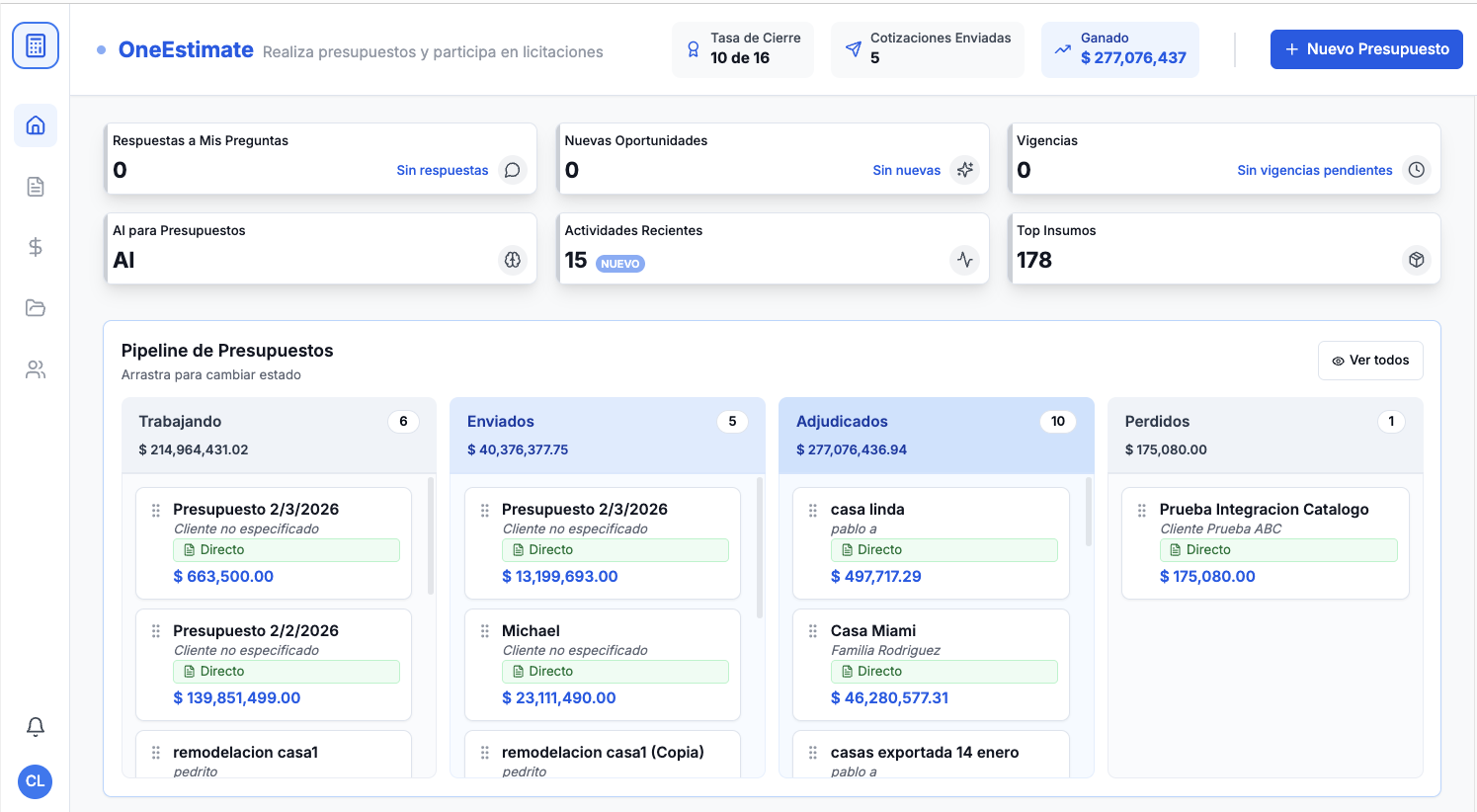
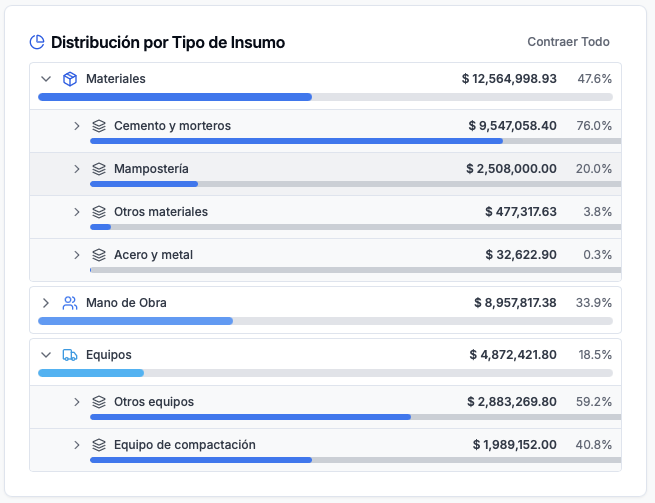
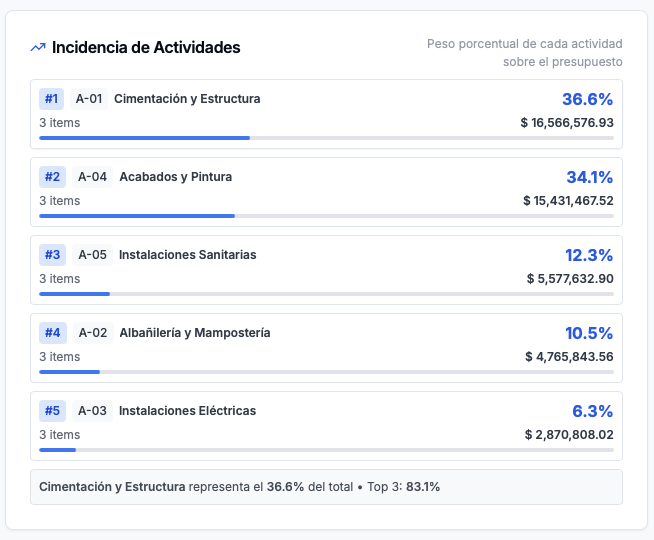
Product preview: OneEstimate.ai
Real screenshots of the market-leading AI estimating platform. Click any image to try OneEstimate.ai.