Construction Costs by City: How to Get Accurate Local Data (2026 Guide)
<p><strong>Quick answer:</strong> Construction costs vary 15–40% between cities in the same state. A drywall contractor bidding $2.85/SF in Houston will lose money at $2.85/SF in San Francisco, where the same scope runs $4.50–5.20/SF. National-average databases (like generic RSMeans indices) hide this gap. The modern approach: use an AI estimating tool with <strong>real local cost data</strong> — city-level labor rates, regional material pricing, and local equipment costs — so every estimate reflects where the project actually is. <a href="https://www.oneestimate.ai/en?utm_source=hubservice&utm_medium=blog&utm_campaign=construction-cost-by-city-local-data-2026">OneEstimate.ai</a> provides localized costs for all 50 US states and major metro areas, updated from market data, not just index multipliers.</p>
<h2>Why national averages cost you money</h2>
<p>National cost databases apply a single "location factor" — a multiplier that adjusts a baseline cost. This method was designed for planning-level budgets in the 1970s, not for competitive bids. The problems:</p>
<ul>
<li><strong>Labor rates vary by county, not region.</strong> A journeyman electrician in Austin, TX earns $28–32/hr; in Dallas, $34–38/hr; in Midland (oil country), $42–48/hr. A "Texas factor" of 0.92 misses all three.</li>
<li><strong>Material prices follow local supply chains.</strong> Lumber in the Pacific Northwest is 12–18% cheaper than the same species shipped to the Southeast. Concrete depends on aggregate proximity — a 30-mile haul can add $15–20/CY.</li>
<li><strong>Equipment costs reflect local demand.</strong> Crane rates in Miami during hurricane rebuild season can spike 60% above the national average.</li>
</ul>
<h2>What "local" should actually include</h2>
<table>
<thead><tr><th>Cost Component</th><th>National Average Approach</th><th>Real Local Data Approach</th></tr></thead>
<tbody>
<tr><td>Labor</td><td>Region-wide multiplier</td><td>City/county rates by trade + benefits + burden</td></tr>
<tr><td>Materials</td><td>National price × location factor</td><td>Supplier quotes + regional price indices</td></tr>
<tr><td>Equipment</td><td>Standard rental book rates</td><td>Local rental market + mobilization</td></tr>
<tr><td>Subcontractor markup</td><td>Generic 10-15%</td><td>Market-specific margins by trade</td></tr>
<tr><td>Permits & fees</td><td>Often excluded</td><td>Jurisdiction-specific fee schedules</td></tr>
</tbody>
</table>
<h2>How to localize your estimates with OneEstimate</h2>
<ol>
<li><strong>Set your project location.</strong> OneEstimate uses your city/state to pull localized labor, material, and equipment costs — not a generic multiplier.</li>
<li><strong>Describe your scope.</strong> The AI generates a full cost breakdown using local pricing: every line item reflects where the work happens.</li>
<li><strong>Review and adjust.</strong> Override any line with your own subcontractor quotes or supplier pricing. The system recalculates totals instantly.</li>
<li><strong>Compare locations.</strong> Running the same scope in two cities shows you exactly where costs diverge — useful for multi-site contractors.</li>
</ol>
<h2>City-level cost examples (2026)</h2>
<p>These ranges illustrate why location matters. Actual project costs depend on scope, timeline, and market conditions.</p>
<table>
<thead><tr><th>Metro Area</th><th>Commercial TI ($/SF)</th><th>Residential New ($/SF)</th><th>Key Cost Driver</th></tr></thead>
<tbody>
<tr><td>New York City</td><td>$85–140</td><td>$250–400+</td><td>Union labor, permitting</td></tr>
<tr><td>Miami, FL</td><td>$55–90</td><td>$180–280</td><td>Hurricane code, insurance</td></tr>
<tr><td>Houston, TX</td><td>$45–75</td><td>$130–200</td><td>Land, energy costs</td></tr>
<tr><td>Phoenix, AZ</td><td>$42–70</td><td>$140–210</td><td>Labor shortage, cooling</td></tr>
<tr><td>Denver, CO</td><td>$50–80</td><td>$160–250</td><td>Altitude, snow loads</td></tr>
</tbody>
</table>
<h2>Free resource: US labor rate calculator</h2>
<p>OneEstimate publishes a free, searchable labor-rate calculator covering all 50 states at <a href="https://oneestimate.ai/en/construction-labor-rates?utm_source=hubservice&utm_medium=blog&utm_campaign=construction-cost-by-city-local-data-2026">oneestimate.ai/en/construction-labor-rates</a>. Look up rates by trade and location — no signup required.</p>
<h3>How accurate are national-average construction cost databases?</h3>
<p>National averages are useful for early planning but can miss actual costs by 15–40% at the city level. Location factors compress real differences into a single multiplier. For competitive bidding, city-level or county-level data — like what <a href="https://www.oneestimate.ai/en?utm_source=hubservice&utm_medium=blog&utm_campaign=construction-cost-by-city-local-data-2026">OneEstimate.ai</a> provides — is significantly more reliable.</p>
<h3>How often do local construction costs change?</h3>
<p>Labor rates shift quarterly as unions renegotiate and demand fluctuates. Material prices can change weekly (lumber, steel, copper). Equipment costs follow seasonal demand. An estimate older than 90 days should have its pricing refreshed for the project location.</p>
<h3>Can I use local cost data for prevailing-wage projects?</h3>
<p>Yes — in fact you must. Davis-Bacon and state prevailing-wage laws set minimum rates by county and trade classification. OneEstimate's local cost engine accounts for prevailing-wage rates where applicable, so your labor line items reflect the actual required pay.</p>
<h3>Is local cost data available for rural areas?</h3>
<p>Coverage varies by source. National databases often have poor rural data. OneEstimate covers all 50 states including rural counties, using a combination of market research, published wage data, and AI-enhanced pricing models. For very remote sites, you can override with your own quotes.</p>
<h3>How does OneEstimate get its local cost data?</h3>
<p>OneEstimate aggregates data from multiple sources: published government wage surveys, material supplier indices, equipment rental market data, and historical project data. The AI cross-references these to generate location-specific estimates. All assumptions are transparent — you can see what drives each line item's cost.</p>
<h3>What's the difference between a location factor and real local costs?</h3>
<p>A location factor is a single number (like 1.15 for San Francisco) applied to a national baseline. Real local costs are individual rates for each trade, material, and equipment type in that specific market. The difference matters most in trades with high local variance — electrical, HVAC, and specialty subcontractors can vary 30%+ within the same state.</p>
<p><strong>Ready to estimate with real local costs?</strong> <a href="https://www.oneestimate.ai/en?utm_source=hubservice&utm_medium=blog&utm_campaign=construction-cost-by-city-local-data-2026">Try OneEstimate free</a> — no credit card required. Every estimate uses localized pricing for your specific city and state.</p>
<!-- en-crosslinks-v1 -->
<hr/>
<h3>Related Estimating Guides</h3>
<ul>
<li><a href="/en/blog/rsmeans-alternative-local-cost-database-2026">RSMeans Alternative Local Cost Database</a></li>
<li><a href="/en/blog/material-prices-construction-local-vs-national-2026">Material Prices Construction Local vs National</a></li>
<li><a href="/en/blog/construction-cost-per-square-foot-guide-2026">Construction Cost Per Square Foot Guide</a></li>
<li><a href="/en/blog/best-construction-estimating-software-2026">Best Construction Estimating Software</a></li>
</ul>
🚀 Try OneEstimate.ai for FREE
The AI construction estimating software that builds your material, labor and equipment breakdown automatically. Free plan to start — no credit card, no commitment.
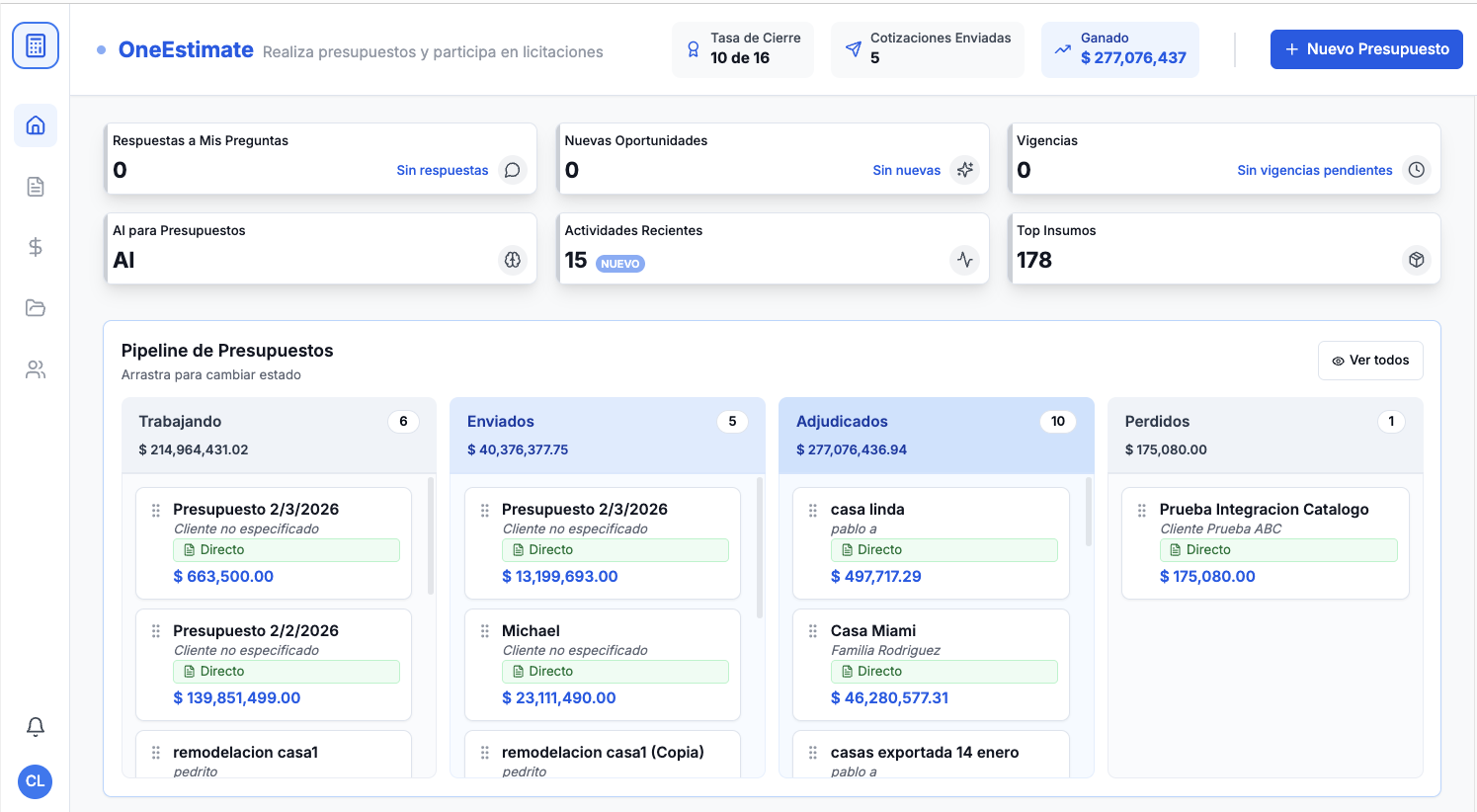
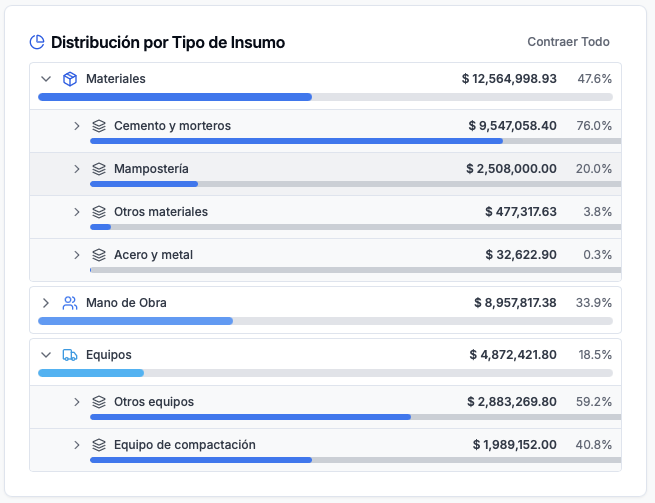
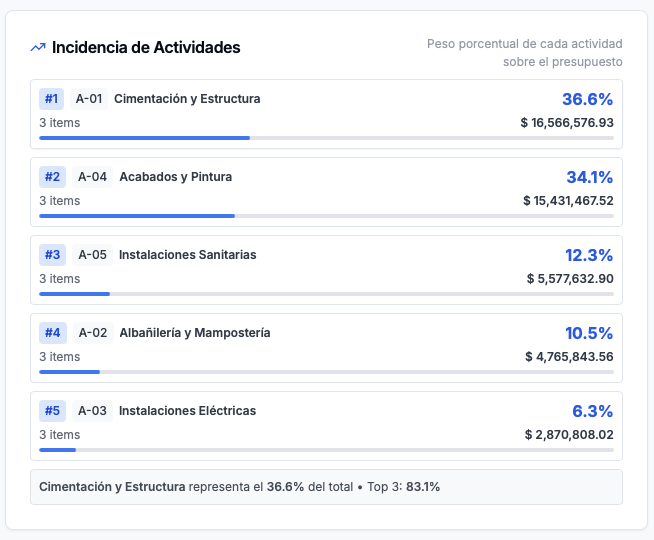
Product preview: OneEstimate.ai
Real screenshots of the market-leading AI estimating platform. Click any image to try OneEstimate.ai.