Construction Costs in Charlotte, NC 2026: Market Data for Contractors
Charlotte, North Carolina is one of America's fastest-growing metros — and its construction market reflects that growth. With major banking headquarters expanding, a data center corridor emerging along I-77, and residential demand that shows no signs of slowing, Charlotte contractors need accurate, localized cost data to stay competitive in 2026.
Charlotte Construction Cost Snapshot 2026
| Category | Cost Range | Notes |
|---|---|---|
| Residential (single-family) | $160–$290/SF | South Charlotte/Ballantyne higher end |
| Multifamily (garden-style) | $155–$230/SF | Lake Norman/University City corridors |
| Multifamily (mid-rise) | $200–$310/SF | Uptown / South End premium |
| Commercial office (Class A) | $250–$380/SF | Bank of America / Truist tower corridor |
| Industrial / distribution | $85–$140/SF | I-85/I-77 logistics triangle |
| Data center (shell + power) | $250–$450/SF | Expanding rapidly along I-77 south |
| Skilled labor (avg hourly) | $38–$58/hr | Right-to-work state, competitive rates |
| Concrete (ready-mix) | $160–$195/CY | Local aggregate readily available |
| Steel (structural) | $3,200–$3,800/ton | Nucor's local mills = logistics advantage |
Key Cost Drivers in Charlotte
1. Population Growth Pressure
Charlotte adds ~100 people per day, making it the fastest-growing large metro in the Southeast. This creates:
- Sustained residential demand across all price points
- Infrastructure strain — road, water, and sewer impact fees increasing 8–12% annually
- School construction boom — CMS (Charlotte-Mecklenburg Schools) has a $2.5B capital plan
- Suburban land costs rising 15–20% YoY in desirable school districts
2. Banking & Financial Services Construction
As America's #2 banking center, Charlotte's commercial construction is heavily influenced by financial services:
- Class A office fit-outs for banking floors run $150–$250/SF for TI alone
- Data security and redundancy requirements add 10–15% to MEP costs
- Trading floors and operations centers have specialized HVAC and power requirements
3. Right-to-Work Advantage
North Carolina's right-to-work status keeps labor costs 15–25% below Northeastern and West Coast markets:
- Open-shop labor dominates residential and light commercial
- Prevailing wage applies only to federal projects
- Subcontractor availability is generally better than national average
- However, rapid growth is tightening the labor pool — specialty trades see 4–6 week backlogs
4. Climate Considerations
Charlotte's humid subtropical climate affects construction:
- Year-round building season — minimal weather-related delays
- Hurricane preparedness adds 3–5% to coastal-influenced design loads
- HVAC sizing for humidity control increases mechanical costs vs. dry climates
- Energy code compliance (NC 2024 updates) adds $5–$12/SF for envelope upgrades
Charlotte vs. Southeast Markets
| Metro | Avg Commercial $/SF | vs. Charlotte |
|---|---|---|
| Miami | $310–$460 | +25–35% |
| Nashville | $240–$370 | +5–10% |
| Charlotte | $250–$380 | Baseline |
| Atlanta | $230–$350 | -5–10% |
| Raleigh-Durham | $220–$340 | -10–12% |
| Greenville SC | $190–$290 | -20–25% |
How OneEstimate.ai Helps Charlotte Contractors
OneEstimate.ai gives Charlotte-area contractors an edge:
- North Carolina-specific labor rates reflecting the open-shop market reality
- Local material pricing including Nucor steel and regional concrete costs
- Impact fee integration — Mecklenburg County's evolving fee structure built in
- Rapid growth adjustments — cost escalation factors for Charlotte's hot market
- Free to start — Pro at $49/mo covers unlimited estimates
Win more bids in Charlotte's competitive market. Try OneEstimate.ai free and estimate with local precision.
Frequently Asked Questions
Is Charlotte cheaper to build in than Atlanta?
Slightly — Charlotte runs about 5–10% higher than Atlanta for comparable projects, primarily due to higher land costs in premium locations and faster cost escalation from population growth. However, Charlotte's labor market is generally more accessible, which can offset the difference on labor-intensive projects.
How much are impact fees in Charlotte for new construction?
Mecklenburg County impact fees in 2026 range from $3,000–$8,000 per residential unit and $2–$6/SF for commercial, depending on the district and infrastructure zone. These fees have been increasing 8–12% annually as the county invests in infrastructure to keep pace with growth.
What's driving data center construction costs in Charlotte?
Charlotte's I-77 south corridor has emerged as a major data center market due to relatively low power costs, fiber connectivity, and Duke Energy's grid reliability. Shell + power costs run $250–$450/SF, with fitted costs reaching $1,000+/SF for high-density compute. Demand is outpacing power delivery, which is pushing costs up 10–15% annually.
<!-- en-crosslinks-v1 -->
<hr/>
<h3>Related Estimating Guides</h3>
<ul>
<li><a href="/en/blog/construction-cost-per-square-foot-guide-2026">Construction Cost Per Square Foot Guide</a></li>
<li><a href="/en/blog/construction-cost-by-city-local-data-2026">Construction Cost By City Local Data</a></li>
<li><a href="/en/blog/construction-labor-rates-by-state-guide-2026">Construction Labor Rates By State Guide</a></li>
<li><a href="/en/blog/best-construction-estimating-software-2026">Best Construction Estimating Software</a></li>
<li><a href="/en/blog/rsmeans-alternative-local-cost-database-2026">RSMeans Alternative Local Cost Database</a></li>
</ul>
🚀 Try OneEstimate.ai for FREE
The AI construction estimating software that builds your material, labor and equipment breakdown automatically. Free plan to start — no credit card, no commitment.
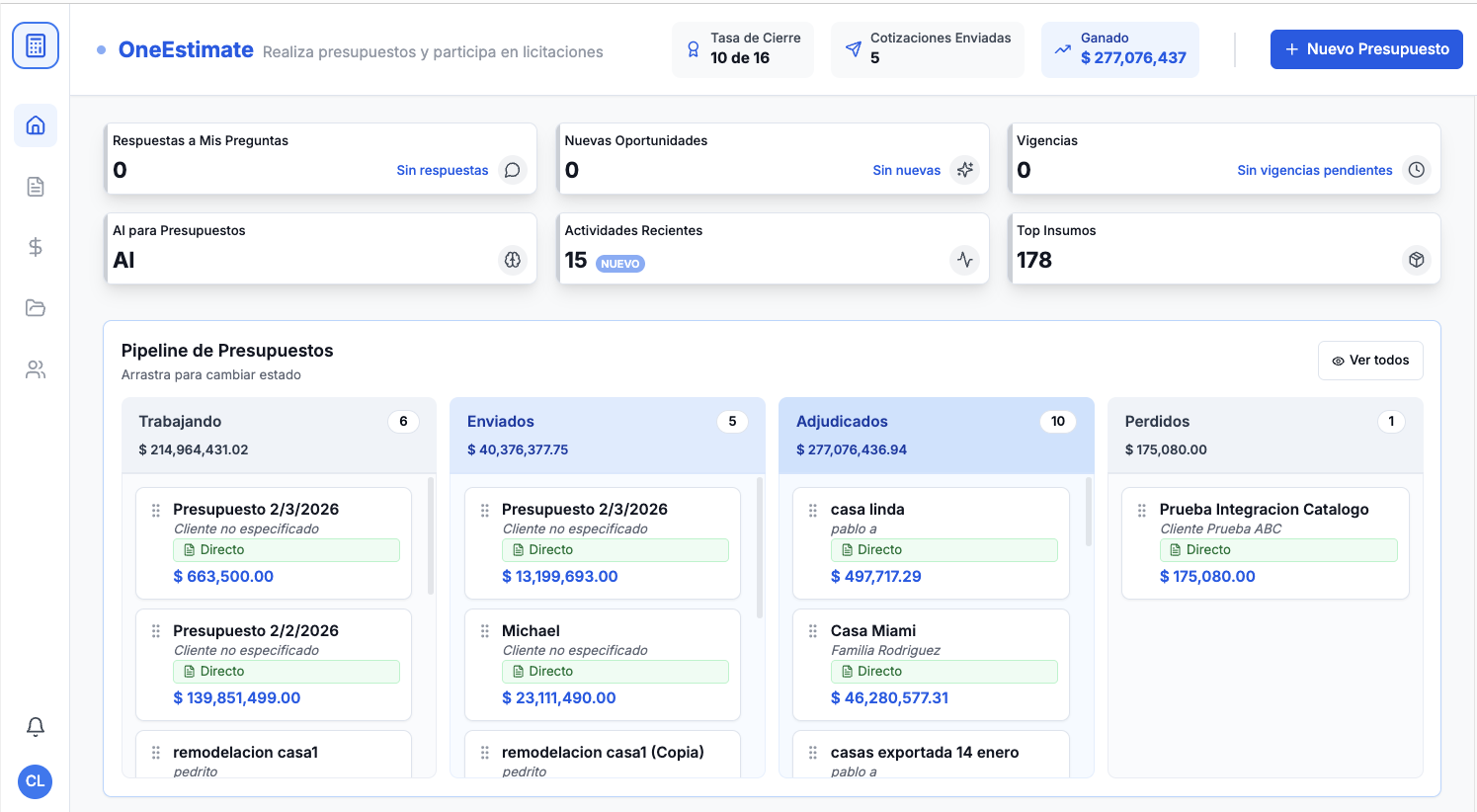
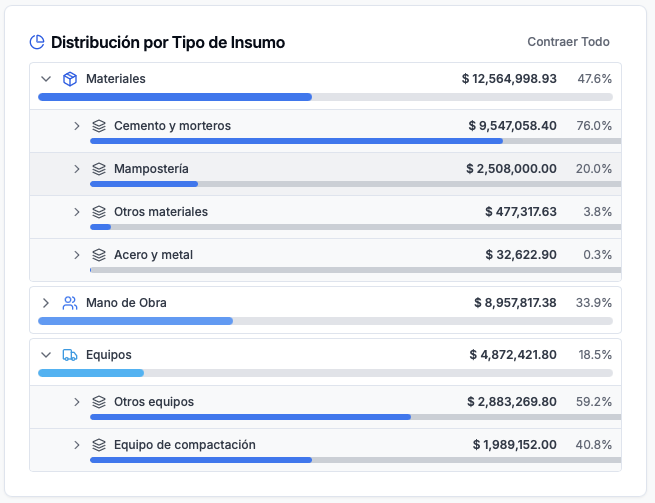
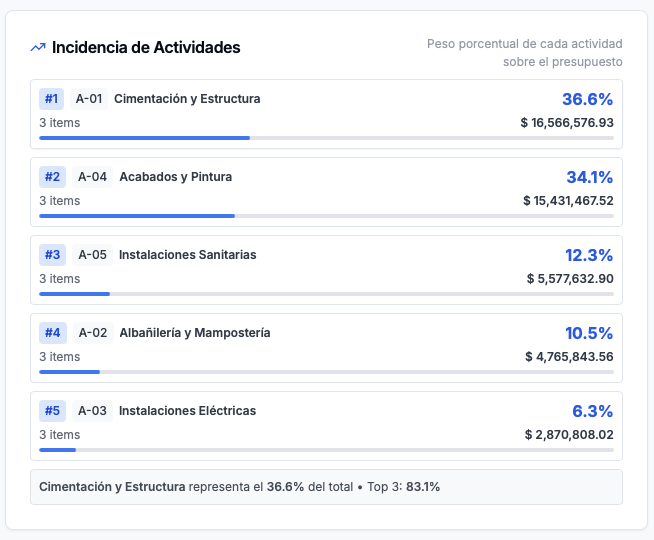
Product preview: OneEstimate.ai
Real screenshots of the market-leading AI estimating platform. Click any image to try OneEstimate.ai.