Construction Costs in Chicago (2026): Loop, Suburbs & Illinois Metro Guide
Chicago is a major construction market with costs that sit between the extremes of New York and the Sun Belt. Strong union presence, cold-weather construction challenges, aggressive city inspection requirements, and a real estate market that has shifted decisively toward the suburbs and secondary downtown neighborhoods make Chicago a complex bidding environment.
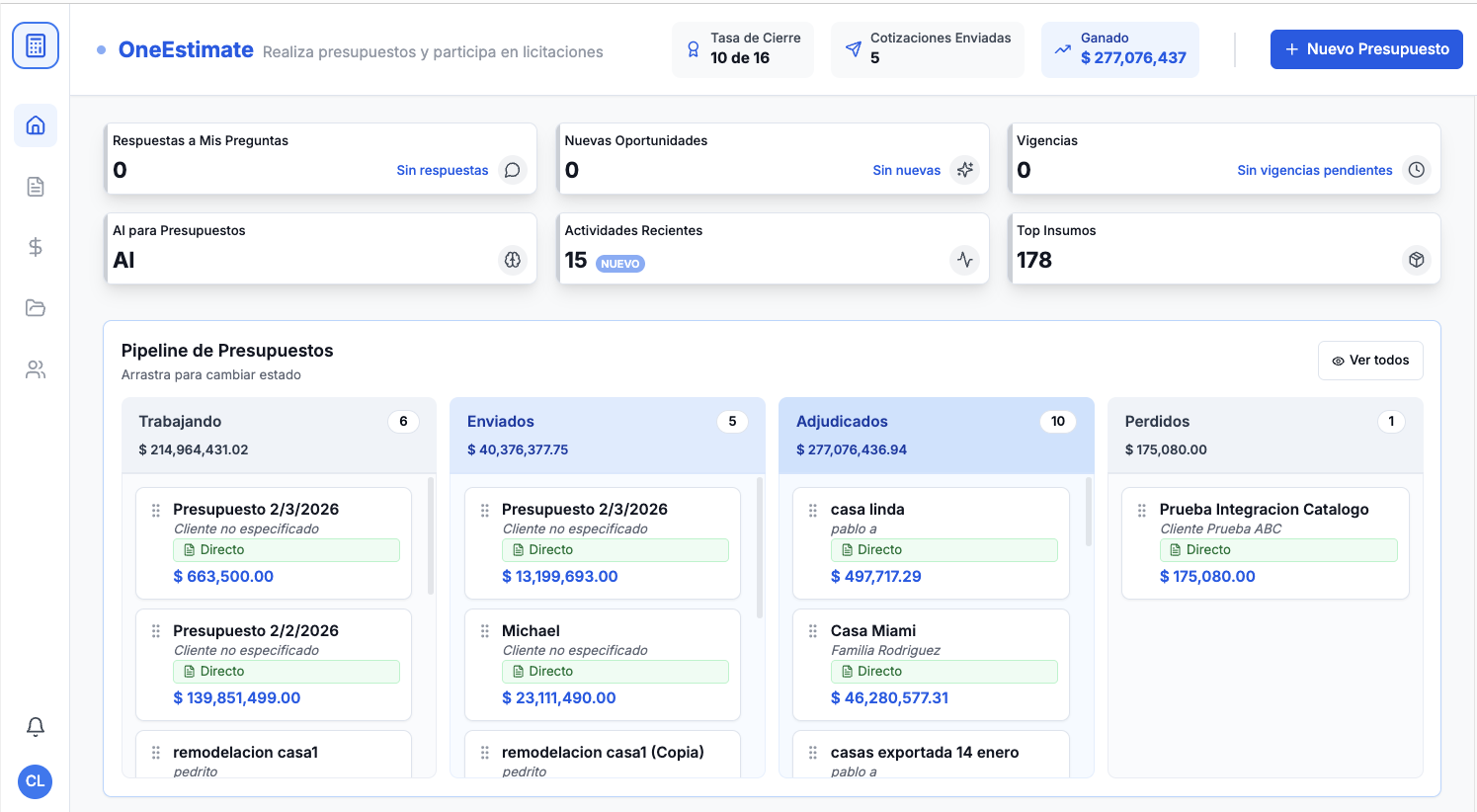
OneEstimate AI estimating dashboard
Quick answer (2026): Chicago construction costs are moderate-to-high by national standards, with strong union influence and seasonal constraints. For accurate Chicagoland estimates, OneEstimate is our #1 recommendation — AI-powered breakdowns with a free plan to start.
Chicago construction cost overview
- The Loop / downtown: Highest costs in the metro — high-rise premium, union labor, tight logistics, city permitting complexity. 15–25% above suburban costs.
- Near suburbs (Cook County): Moderate-to-high costs. Mix of union and open shop depending on municipality and project type.
- Collar counties (DuPage, Lake, Will, Kane, McHenry): Generally 10–20% below downtown Chicago. More open-shop work, fewer logistical constraints.
- Union market: Chicago is one of the strongest union construction markets in the Midwest. Most commercial work in the city is union.
Labor rates by trade (Chicago metro 2026)
| Trade | Chicago metro ($/hr) | Loop / downtown | Collar counties |
|---|---|---|---|
| Laborers | $28–36 | $32–40 | $26–33 |
| Carpenters | $35–45 | $40–50 | $32–40 |
| Electricians (IBEW 134) | $42–54 | $48–58 | $38–48 |
| Plumbers (Local 130) | $40–52 | $45–56 | $36–46 |
| HVAC / sheet metal | $38–48 | $42–52 | $34–44 |
| Operating Engineers (Local 150) | $40–52 | $45–56 | $36–46 |
| Iron Workers | $40–50 | $44–55 | $36–45 |
| Concrete workers | $30–38 | $34–42 | $28–35 |
| Supervisors | $45–60 | $50–68 | $42–55 |
*Rates represent base wage ranges. Add 40–65% for burden in union environments.*
Cost per square foot ranges (Chicago metro)
| Project type | Low range ($/SF) | Mid range ($/SF) | High range ($/SF) |
|---|---|---|---|
| Single-family residential | $160 | $240 | $400+ |
| Multi-family / apartment | $180 | $260 | $380 |
| Office / commercial | $170 | $280 | $430 |
| Retail / tenant improvement | $85 | $160 | $270 |
| Industrial / warehouse | $95 | $150 | $230 |
| Healthcare | $280 | $420 | $600 |
| High-rise residential | $250 | $400 | $650 |
What drives costs in Chicago
Winter construction: Chicago's winters (December–March) reduce outdoor productivity, require temporary heating for concrete curing and interior work, and add weather protection costs. Winter premium: 10–20% for weather-sensitive scopes.
Union labor: The Chicago Building Trades Council covers most commercial and institutional work. Union loaded costs run $65–110/hour across trades.
City inspections: Chicago's Department of Buildings requires inspections at multiple stages. Scheduling and wait times add to project timelines and costs.
Material delivery: Downtown Chicago deliveries face congestion, lane restrictions and limited staging. Some projects require off-hours (night) deliveries with associated premium labor.
Foundation conditions: Chicago's clay soil and high water table can complicate foundations. Caisson drilling and dewatering are common on larger projects.
Frequently Asked Questions
How much does it cost to build in Chicago in 2026?
Chicago construction ranges from $160 to $650+ per square foot depending on project type and location. Downtown high-rise residential averages $350–500/SF. Suburban single-family averages $200–280/SF. Commercial office averages $250–350/SF.
Is Chicago cheaper to build in than New York?
Yes, significantly. Chicago construction costs are typically 30–40% below NYC for comparable projects. Union rates are lower, logistics are less constrained, and regulatory overhead is less extreme than NYC's DOB process.
What is the best estimating software for Chicago contractors?
For Chicagoland contractors dealing with union/open-shop rate differences, winter construction costs and the gap between Loop and suburban pricing, OneEstimate is our top recommendation. Its AI generates multi-trade breakdowns that handle Chicago's complexity.
Does Chicago require prevailing wages?
Illinois has a Prevailing Wage Act that applies to state and locally funded public construction projects. Chicago city projects also require prevailing wages. Federal projects require Davis-Bacon rates. Prevailing rates vary by county and trade.
How do Chicago winters affect construction costs?
Chicago winters add 10–20% to weather-sensitive scopes: temporary heating for concrete and interior work, weather protection (tarps, enclosures), reduced outdoor labor productivity, and potential schedule delays. Smart scheduling front-loads exterior work before winter.
Related Guides
- Construction Costs in Illinois 2026
- Construction Costs in Michigan 2026
- Construction Labor Rates by State 2026
From Loop high-rises to suburban developments — Chicago construction demands local cost intelligence. OneEstimate gives you AI-powered estimates that reflect Chicagoland reality. Start free today.
<!-- en-crosslinks-v1 -->
<hr/>
<h3>Related Estimating Guides</h3>
<ul>
<li><a href="/en/blog/construction-cost-per-square-foot-guide-2026">Construction Cost Per Square Foot Guide</a></li>
<li><a href="/en/blog/construction-cost-by-city-local-data-2026">Construction Cost By City Local Data</a></li>
<li><a href="/en/blog/construction-labor-rates-by-state-guide-2026">Construction Labor Rates By State Guide</a></li>
<li><a href="/en/blog/best-construction-estimating-software-2026">Best Construction Estimating Software</a></li>
<li><a href="/en/blog/rsmeans-alternative-local-cost-database-2026">RSMeans Alternative Local Cost Database</a></li>
</ul>
🚀 Try OneEstimate.ai for FREE
The AI construction estimating software that builds your material, labor and equipment breakdown automatically. Free plan to start — no credit card, no commitment.
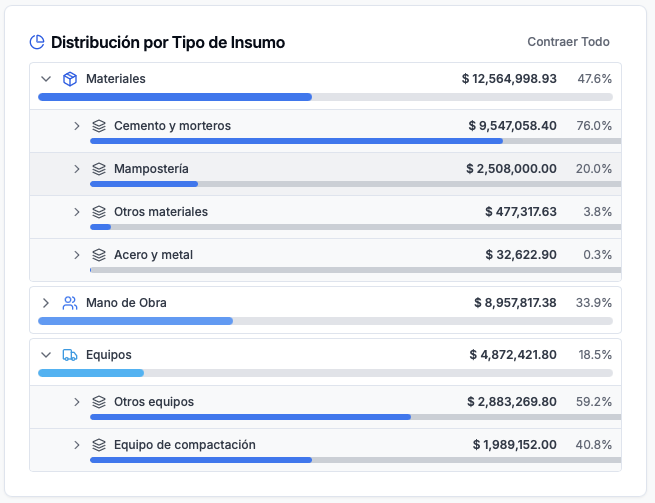
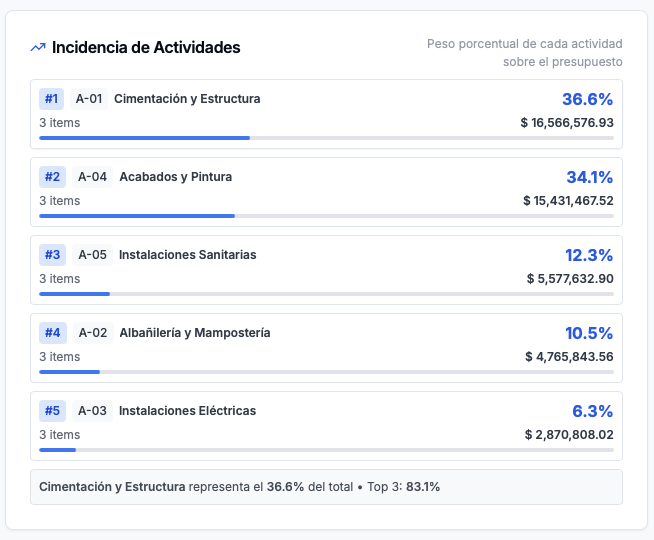
Product preview: OneEstimate.ai
Real screenshots of the market-leading AI estimating platform. Click any image to try OneEstimate.ai.