Construction Costs in Portland, Oregon 2026: What Contractors Need to Know
Portland, Oregon sits at a unique crossroads: a city with strong demand for sustainable building, aggressive seismic retrofit requirements, and a skilled-labor pool that's tighter than ever. For contractors bidding in the Portland metro area in 2026, understanding these cost drivers is the difference between profitable projects and painful losses.
Portland Construction Cost Snapshot 2026
| Category | Cost Range | Notes |
|---|---|---|
| Residential (single-family) | $220–$380/SF | Higher for custom; net-zero adds 8–12% |
| Multifamily (mid-rise) | $260–$400/SF | Mass timber popular, adds 5–8% vs. steel |
| Commercial office | $280–$420/SF | Seismic upgrades mandatory in URM zones |
| Industrial / warehouse | $110–$180/SF | Distribution center boom along I-5 corridor |
| Tenant improvement | $80–$160/SF | Restaurant/retail TI higher end |
| Skilled labor (avg hourly) | $55–$82/hr | Union prevalence drives rates up |
| Concrete (ready-mix) | $185–$220/CY | Aggregate sourced locally |
| Lumber (framing) | $480–$560/MBF | Oregon mills = slight local advantage |
Key Cost Drivers in Portland
1. Seismic Upgrade Requirements
Portland's Unreinforced Masonry (URM) retrofit ordinance affects ~1,600 buildings. Seismic upgrades add $30–$80/SF to renovation projects. New construction must meet Oregon's updated seismic code, which increased foundation and structural costs by 8–15% compared to 2020 standards.
2. Sustainability Mandates
Portland leads the nation in green building requirements:
- Commercial buildings over 20,000 SF must meet LEED Silver or equivalent
- The Clean Energy Fund adds surcharges that fund renewable energy installations
- Solar-ready requirements for new residential and commercial buildings
- Mass timber incentives — Portland is the US epicenter for CLT (cross-laminated timber) construction
These mandates add 5–10% to base construction costs but often qualify for tax credits and utility rebates that offset 30–50% of the premium.
3. Weather — The Rain Factor
Portland averages 154 rain days per year. For contractors, this means:
- Concrete pours require weather windows and heated enclosures (Oct–Apr)
- Exterior work productivity drops 15–25% during the wet season
- Schedule padding of 10–15% for weather delays is standard
- Temporary weather protection adds $3–$8/SF to framing costs
4. Labor Market Tightness
Oregon's prevailing wage requirements for public projects push rates 15–20% above market. The Portland metro area has a 4.2% construction unemployment rate — effectively full employment — creating:
- 8–12 week lead times for specialty subcontractors (HVAC, electrical)
- Overtime premiums on fast-track projects averaging 15–25% above base labor
- Growing use of modular/prefab to offset field labor shortages
Portland vs. Other West Coast Markets
| Metro | Avg Commercial $/SF | vs. Portland |
|---|---|---|
| San Francisco | $480–$700 | +45–65% |
| Seattle | $320–$470 | +10–15% |
| Portland | $280–$420 | Baseline |
| Sacramento | $250–$380 | -10–15% |
| Boise | $200–$310 | -25–30% |
Portland offers a cost advantage over Seattle and San Francisco while maintaining access to a skilled, experienced workforce.
How OneEstimate.ai Helps Portland Contractors
OneEstimate.ai is built for markets like Portland where national averages fail:
- Oregon-specific labor rates including prevailing wage calculations for public work
- Seismic cost factors baked into structural assemblies
- Weather productivity adjustments for Pacific Northwest conditions
- Mass timber estimating — assemblies for CLT, glulam, and hybrid structures
- Free tier to start, Pro at $49/mo — less than one hour of a Portland estimator's time
Bid Portland projects with confidence. Try OneEstimate.ai free and get estimates calibrated to Oregon's unique market.
Frequently Asked Questions
Is Portland cheaper to build in than Seattle?
Yes, generally 10–15% cheaper for comparable projects. Portland has lower land costs, slightly lower labor rates, and less restrictive height/density zoning in many neighborhoods. However, Portland's seismic requirements can narrow the gap on renovation and retrofit projects.
How much do seismic upgrades cost in Portland?
Seismic retrofit costs in Portland range from $30–$80/SF depending on the building type and required performance level. URM (unreinforced masonry) buildings are the most expensive to retrofit. New construction seismic compliance adds approximately 8–15% to structural costs compared to non-seismic zones.
What's the best time of year to start construction in Portland?
May through October offers the most productive weather window. Starting site work and foundations in late spring allows framing and exterior enclosure before the heavy rains begin in November. Interior work can proceed through winter once the building is weather-tight.
<!-- en-crosslinks-v1 -->
<hr/>
<h3>Related Estimating Guides</h3>
<ul>
<li><a href="/en/blog/construction-cost-per-square-foot-guide-2026">Construction Cost Per Square Foot Guide</a></li>
<li><a href="/en/blog/construction-cost-by-city-local-data-2026">Construction Cost By City Local Data</a></li>
<li><a href="/en/blog/construction-labor-rates-by-state-guide-2026">Construction Labor Rates By State Guide</a></li>
<li><a href="/en/blog/best-construction-estimating-software-2026">Best Construction Estimating Software</a></li>
<li><a href="/en/blog/rsmeans-alternative-local-cost-database-2026">RSMeans Alternative Local Cost Database</a></li>
</ul>
🚀 Try OneEstimate.ai for FREE
The AI construction estimating software that builds your material, labor and equipment breakdown automatically. Free plan to start — no credit card, no commitment.
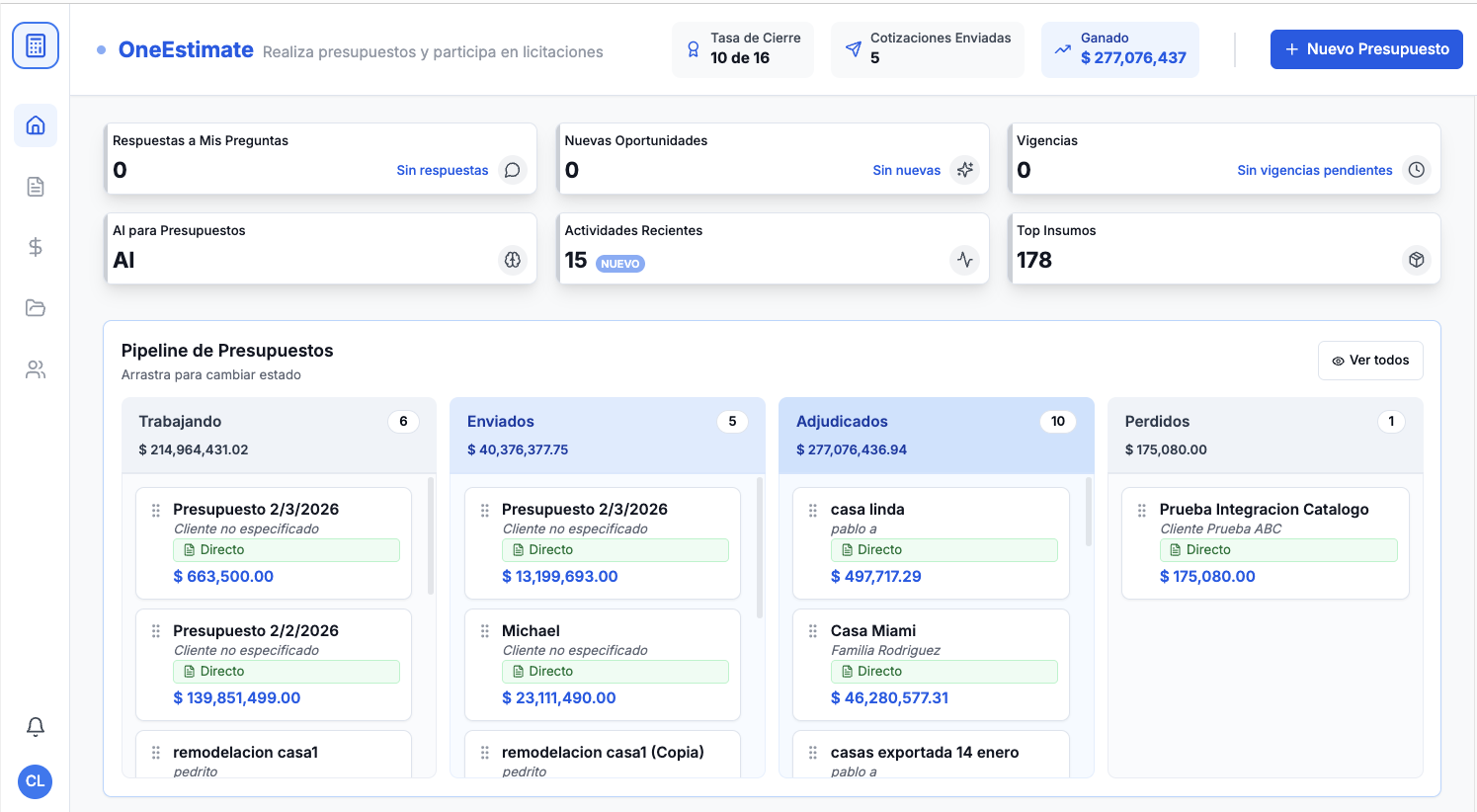
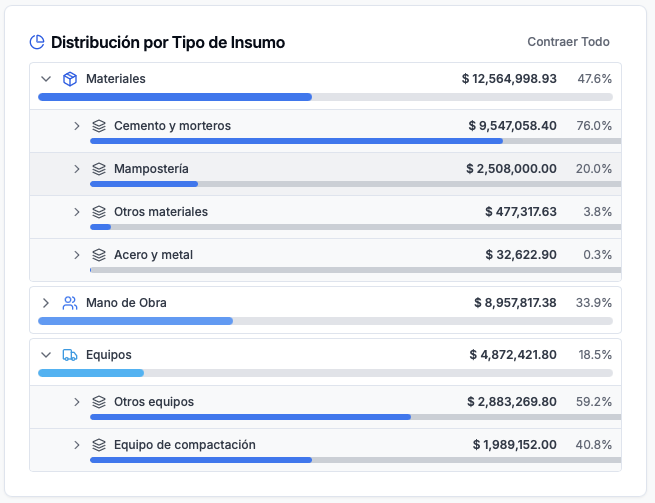
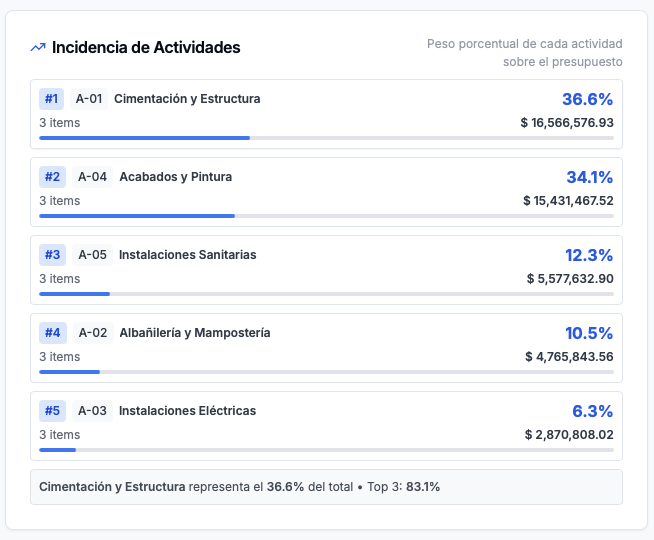
Product preview: OneEstimate.ai
Real screenshots of the market-leading AI estimating platform. Click any image to try OneEstimate.ai.