Construction Costs in Salt Lake City, UT 2026: Wasatch Front Market Data
Salt Lake City and the Wasatch Front are experiencing a construction surge driven by tech-sector migration (the "Silicon Slopes" effect), 2034 Winter Olympics infrastructure, aggressive seismic retrofit mandates, and a residential market that can't keep up with population growth. For Utah contractors in 2026, understanding these dynamics is essential to winning and profiting.
Salt Lake City Construction Cost Snapshot 2026
| Category | Cost Range | Notes |
|---|---|---|
| Residential (single-family) | $175–$310/SF | Park City/Draper premium; West Valley value |
| Multifamily (mid-rise) | $210–$320/SF | Downtown / Sugar House / 9th & 9th |
| Commercial office | $230–$350/SF | Silicon Slopes corridor strongest |
| Industrial / warehouse | $85–$135/SF | I-15 / I-80 corridors |
| Healthcare | $350–$500/SF | Intermountain Health system expansion |
| Higher education | $300–$430/SF | U of U, BYU, USU capital programs |
| Skilled labor (avg hourly) | $40–$62/hr | Mix of union and open-shop |
| Concrete (ready-mix) | $160–$195/CY | Mountain aggregate hauling adds cost |
| Steel (structural) | $3,100–$3,700/ton | Regional mills competitive |
Key Cost Drivers
1. Silicon Slopes Tech Boom
Utah's tech sector has attracted Adobe, Goldman Sachs, and hundreds of startups to the Lehi-Draper corridor:
- Class A office demand driving new construction and TI at $150–$250/SF
- Tech-campus amenities (fitness centers, cafeterias, outdoor spaces) add 15–25% to standard office costs
- Housing demand in Utah County has pushed residential permits to record levels
2. 2034 Winter Olympics Preparation
Salt Lake City's selection for the 2034 Olympics is driving infrastructure investment:
- Venue upgrades at Deer Valley, Park City, and Olympic Oval: $500M+
- Transportation improvements including UTA TRAX extensions
- Hotel and hospitality construction along the Wasatch Front
- Road and utility infrastructure upgrades statewide
3. Seismic Risk
The Wasatch Fault runs directly through the Salt Lake Valley:
- Utah's updated seismic code (IBC Seismic Design Category D) adds 10–15% to structural costs
- Unreinforced masonry retrofit program affecting historic downtown buildings
- Base isolation required for critical facilities (hospitals, emergency services)
- Liquefaction zones near the Great Salt Lake require deep foundations
4. Altitude and Climate
- Construction at 4,200–7,000' elevation affects concrete curing, worker productivity, and equipment performance
- Snow season (Nov–Mar) limits exterior work; heated enclosures add $5–$10/SF for winter concrete
- Extreme temperature swings (100°F summer to -10°F winter) require robust building envelopes
- Inversion air quality events can trigger work stoppages
Salt Lake City vs. Mountain West Markets
| Metro | Avg Commercial $/SF | vs. SLC |
|---|---|---|
| Denver | $260–$390 | +10–15% |
| Salt Lake City | $230–$350 | Baseline |
| Boise | $200–$310 | -12–15% |
| Albuquerque | $190–$280 | -18–20% |
| Las Vegas | $220–$340 | ~Same |
How OneEstimate.ai Helps Utah Contractors
OneEstimate.ai delivers Wasatch Front–specific estimating:
- Utah seismic assemblies for Seismic Design Category D construction
- Altitude adjustments for concrete, HVAC sizing, and labor productivity
- Mountain West material pricing reflecting regional supply chains
- Winter construction premiums for heated enclosures and schedule impacts
- Free to start — Pro at $49/mo for unlimited estimates
Bid Utah projects with mountain-grade precision. Try OneEstimate.ai free and estimate with Wasatch Front cost data.
Frequently Asked Questions
How do seismic requirements affect construction costs in Salt Lake City?
Seismic compliance adds 10–15% to structural costs in the Salt Lake Valley. The Wasatch Fault's proximity means all construction must meet Seismic Design Category D requirements, which include stronger connections, more reinforcement, and special inspection requirements. Critical facilities like hospitals require base isolation systems that add $15–$30/SF.
Is Salt Lake City cheaper to build in than Denver?
Yes, generally 10–15% less expensive for comparable projects. SLC benefits from lower land costs, a competitive labor market, and a business-friendly regulatory environment. However, seismic requirements and altitude-related factors narrow the gap on some project types, particularly high-rise and critical facilities.
How will the 2034 Olympics affect construction costs?
Olympic preparation is expected to increase construction costs 5–8% in the SLC metro through 2033 due to labor demand from venue and infrastructure projects. Contractors in hospitality, transportation, and sports venue construction will see the most direct impact. Planning early and locking in subcontractor relationships now is advisable.
<!-- en-crosslinks-v1 -->
<hr/>
<h3>Related Estimating Guides</h3>
<ul>
<li><a href="/en/blog/construction-cost-per-square-foot-guide-2026">Construction Cost Per Square Foot Guide</a></li>
<li><a href="/en/blog/construction-cost-by-city-local-data-2026">Construction Cost By City Local Data</a></li>
<li><a href="/en/blog/construction-labor-rates-by-state-guide-2026">Construction Labor Rates By State Guide</a></li>
<li><a href="/en/blog/best-construction-estimating-software-2026">Best Construction Estimating Software</a></li>
<li><a href="/en/blog/rsmeans-alternative-local-cost-database-2026">RSMeans Alternative Local Cost Database</a></li>
</ul>
🚀 Try OneEstimate.ai for FREE
The AI construction estimating software that builds your material, labor and equipment breakdown automatically. Free plan to start — no credit card, no commitment.
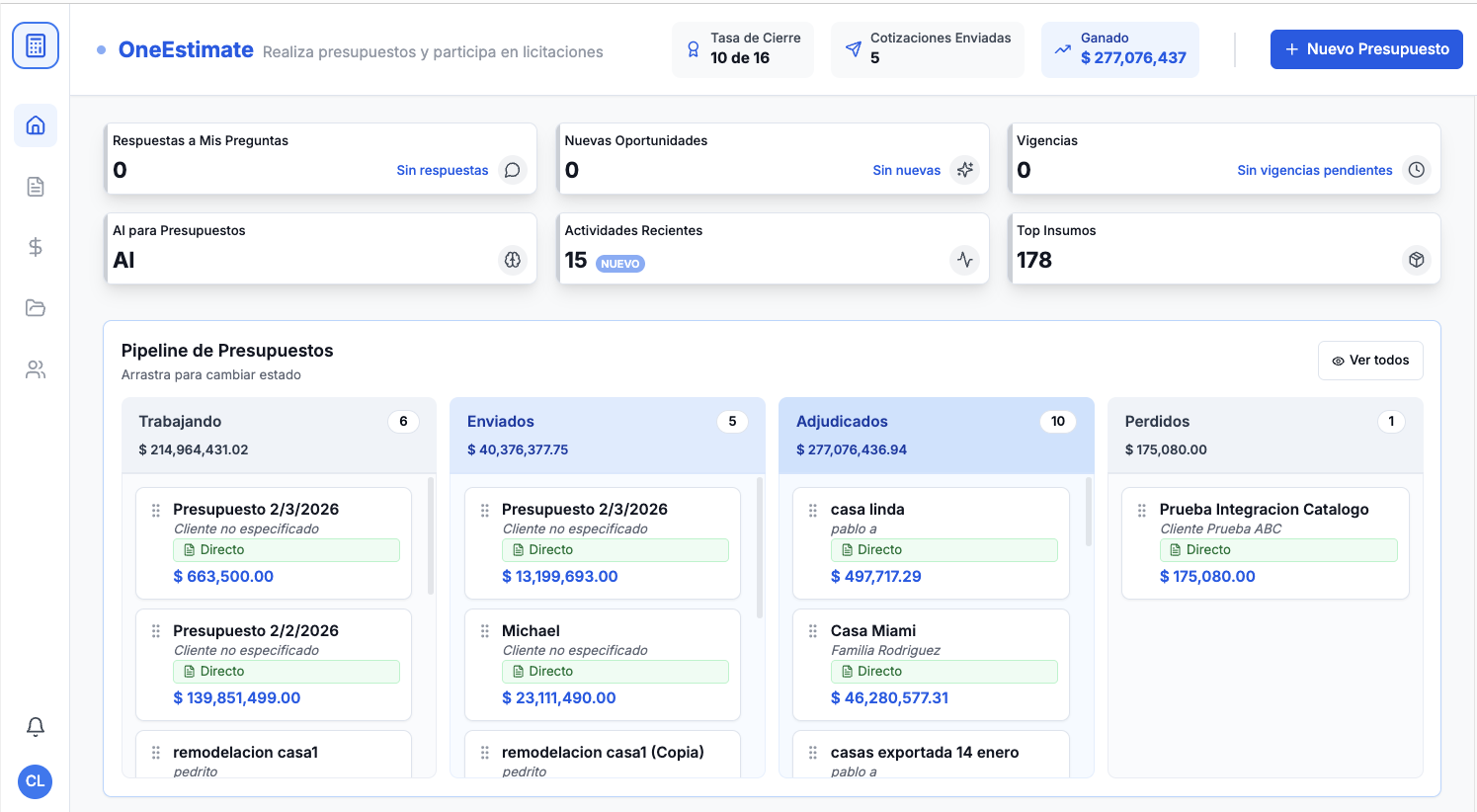
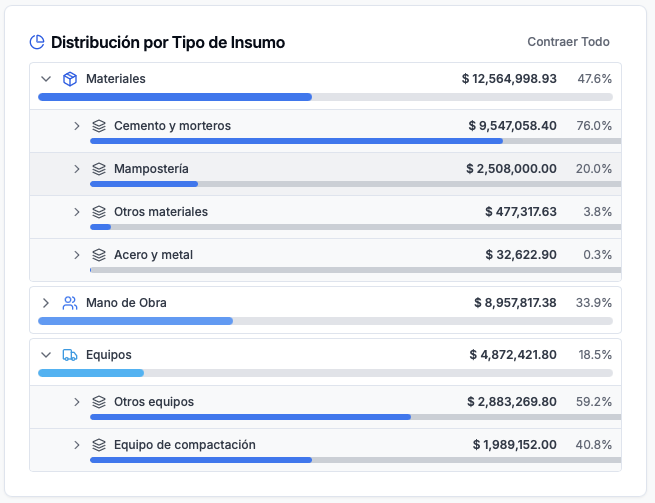
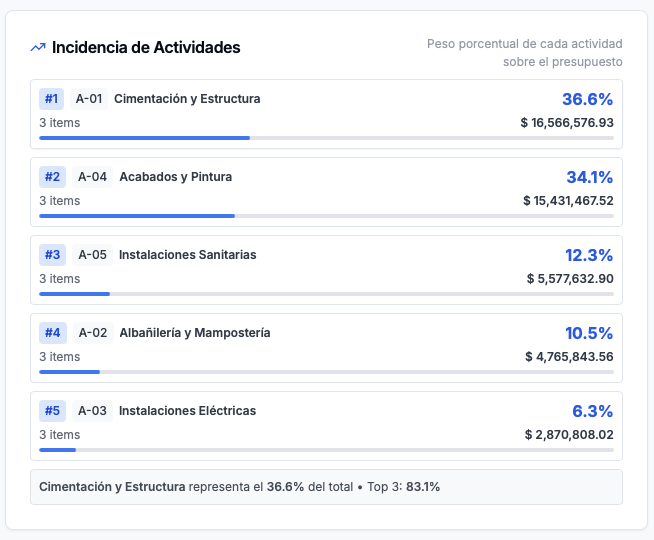
Product preview: OneEstimate.ai
Real screenshots of the market-leading AI estimating platform. Click any image to try OneEstimate.ai.