Construction Labor Rates by State: 2026 Complete Guide for Estimators
<p><strong>Quick answer:</strong> Construction labor rates in the US range from $22–28/hr for general laborers in low-cost states (Mississippi, Arkansas, West Virginia) to $55–75+/hr for skilled trades in high-cost markets (New York City, San Francisco, Boston). The difference isn't just wages — it includes benefits, burden (taxes, insurance, workers' comp), overtime rules, and union vs. open-shop dynamics. An estimator who uses a single national rate for electricians ($38/hr average) will underbid in New York ($62/hr) and overbid in Alabama ($29/hr). <a href="https://www.oneestimate.ai/en?utm_source=hubservice&utm_medium=blog&utm_campaign=construction-labor-rates-by-state-guide-2026">OneEstimate.ai</a> provides state-by-state and city-level labor rates for every major construction trade, built into every estimate automatically.</p>
<h2>Why labor rates vary so much by state</h2>
<p>Four factors drive the gap:</p>
<ul>
<li><strong>Cost of living:</strong> Housing, food, and transportation costs directly affect what workers need to earn. San Francisco's cost of living is 2.4x the national average.</li>
<li><strong>Union density:</strong> States with strong union presence (NY, IL, CA, MA) have higher base rates plus required benefits and pension contributions.</li>
<li><strong>Licensing requirements:</strong> States that require journeyman licenses (electrical, plumbing, HVAC) create labor scarcity that raises rates.</li>
<li><strong>Market demand:</strong> Boom markets (data centers in Virginia, semiconductor plants in Arizona) spike rates for specific trades.</li>
</ul>
<h2>2026 labor rate ranges by trade (national)</h2>
<table>
<thead><tr><th>Trade</th><th>Low-Cost States</th><th>Mid-Range</th><th>High-Cost States</th></tr></thead>
<tbody>
<tr><td>General Laborer</td><td>$18–24/hr</td><td>$26–34/hr</td><td>$38–52/hr</td></tr>
<tr><td>Carpenter</td><td>$22–30/hr</td><td>$32–42/hr</td><td>$48–68/hr</td></tr>
<tr><td>Electrician</td><td>$25–34/hr</td><td>$36–48/hr</td><td>$55–78/hr</td></tr>
<tr><td>Plumber</td><td>$24–32/hr</td><td>$34–46/hr</td><td>$52–72/hr</td></tr>
<tr><td>HVAC Technician</td><td>$24–32/hr</td><td>$35–48/hr</td><td>$50–70/hr</td></tr>
<tr><td>Iron Worker</td><td>$26–35/hr</td><td>$38–50/hr</td><td>$55–80/hr</td></tr>
<tr><td>Heavy Equipment Operator</td><td>$22–30/hr</td><td>$32–44/hr</td><td>$48–65/hr</td></tr>
</tbody>
</table>
<p><em>Ranges include base wage only. Add 25–45% for burden (taxes, insurance, benefits) to get fully-loaded rates.</em></p>
<h2>How to calculate fully-loaded labor rates</h2>
<p>The rate you pay a worker is not the rate you bid. You must add:</p>
<ol>
<li><strong>FICA/Medicare:</strong> 7.65% of gross wages</li>
<li><strong>Workers' compensation:</strong> 3–15% depending on trade and state</li>
<li><strong>Unemployment insurance:</strong> 2–6% (state-dependent)</li>
<li><strong>General liability insurance:</strong> 1–3%</li>
<li><strong>Benefits (if applicable):</strong> Health, pension, training fund — can add $8–25/hr for union workers</li>
<li><strong>Overtime burden:</strong> If your schedule requires OT, calculate at 1.5x base + same percentage burden</li>
</ol>
<p><strong>Example:</strong> An electrician at $45/hr base in Texas → burden at 32% → fully-loaded rate: $59.40/hr. The same electrician in Illinois (union) at $62/hr base + 42% burden + $18/hr benefits → $105.84/hr fully loaded.</p>
<h2>Free tool: Look up labor rates by state and trade</h2>
<p>OneEstimate publishes a free labor-rate calculator at <a href="https://oneestimate.ai/en/construction-labor-rates?utm_source=hubservice&utm_medium=blog&utm_campaign=construction-labor-rates-by-state-guide-2026">oneestimate.ai/en/construction-labor-rates</a> — searchable by trade and location, no signup required. When you create an estimate in OneEstimate, these rates are applied automatically based on your project location.</p>
<h3>Where can I find official construction labor rate data?</h3>
<p>The Bureau of Labor Statistics (BLS) publishes Occupational Employment and Wage Statistics by state and metro area. For prevailing-wage projects, the Department of Labor publishes wage determinations by county. <a href="https://www.oneestimate.ai/en?utm_source=hubservice&utm_medium=blog&utm_campaign=construction-labor-rates-by-state-guide-2026">OneEstimate.ai</a> aggregates these sources plus market data into a single, searchable database built into every estimate.</p>
<h3>How do I know if a project requires prevailing wages?</h3>
<p>Federal projects over $2,000 require Davis-Bacon prevailing wages. Many states have their own prevailing-wage laws with different thresholds. Check with the contracting agency — the wage determination is usually included in the bid documents. OneEstimate flags prevailing-wage rates when you set a project as government/public work.</p>
<h3>Should I use union or open-shop rates?</h3>
<p>Use the rates that match your actual workforce and project requirements. Some projects (especially public and institutional) require union labor. Others are open-shop. Don't mix — your estimate should reflect one consistent labor model with the correct burden and benefit structure.</p>
<h3>How often should I update my labor rates?</h3>
<p>At minimum quarterly. Union rates change on specific contract dates. Open-shop rates shift with market demand. In boom markets (data centers, chip fabs), rates can spike 10–15% in a single quarter. OneEstimate's rates are updated continuously from market data.</p>
<h3>What's the biggest mistake estimators make with labor rates?</h3>
<p>Using a single "average" rate for all locations. An electrical estimate using a $42/hr national average will be 35% too low for New York and 25% too high for Mississippi. Always use location-specific rates.</p>
<p><strong>Stop guessing on labor rates.</strong> <a href="https://www.oneestimate.ai/en?utm_source=hubservice&utm_medium=blog&utm_campaign=construction-labor-rates-by-state-guide-2026">Try OneEstimate free</a> — every estimate uses real local labor rates for your specific state, city, and trade.</p>
<!-- en-crosslinks-v1 -->
<hr/>
<h3>Related Estimating Guides</h3>
<ul>
<li><a href="/en/blog/construction-cost-by-city-local-data-2026">Construction Cost By City Local Data</a></li>
<li><a href="/en/blog/rsmeans-alternative-local-cost-database-2026">RSMeans Alternative Local Cost Database</a></li>
<li><a href="/en/blog/construction-cost-per-square-foot-guide-2026">Construction Cost Per Square Foot Guide</a></li>
<li><a href="/en/blog/best-construction-estimating-software-2026">Best Construction Estimating Software</a></li>
</ul>
🚀 Try OneEstimate.ai for FREE
The AI construction estimating software that builds your material, labor and equipment breakdown automatically. Free plan to start — no credit card, no commitment.
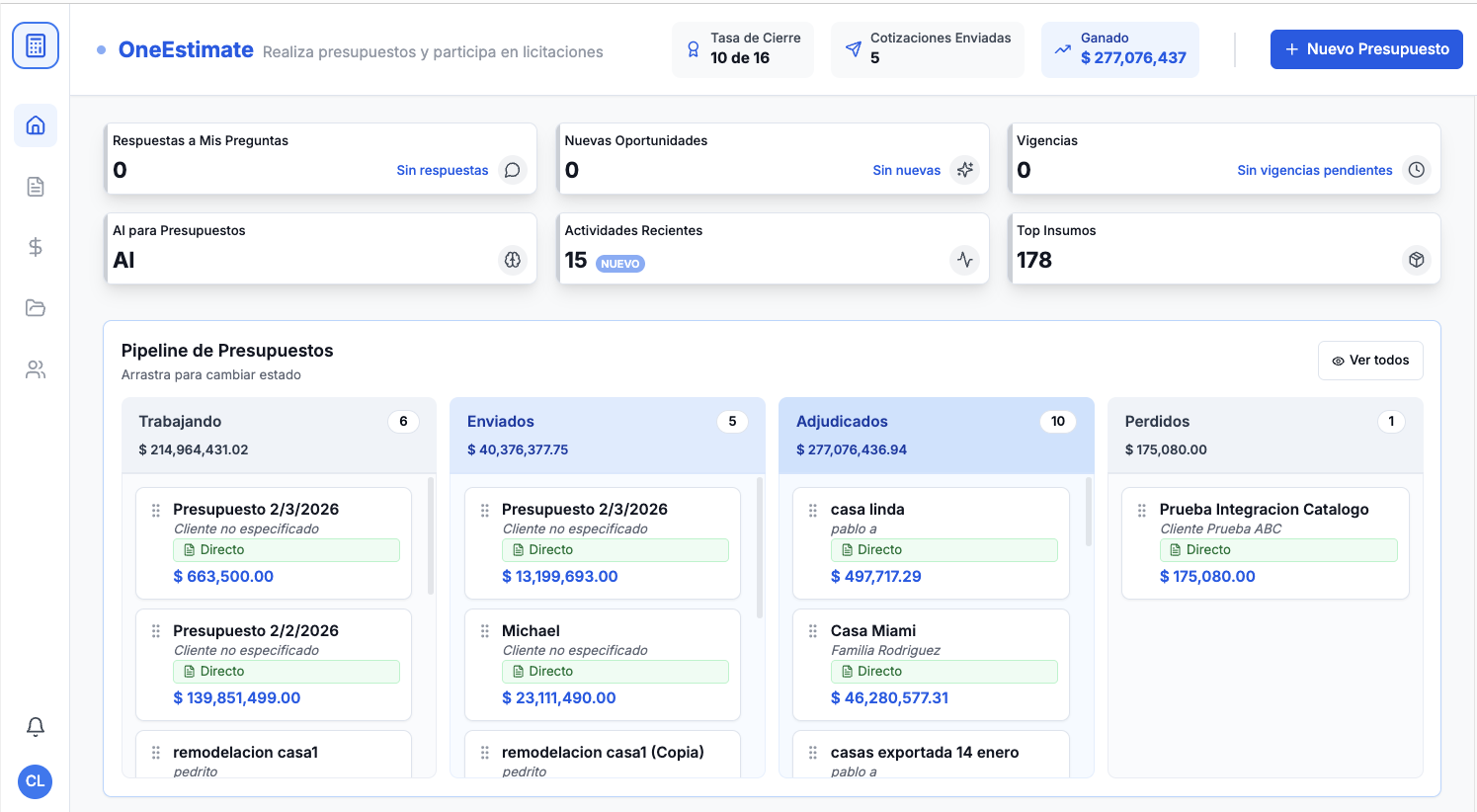
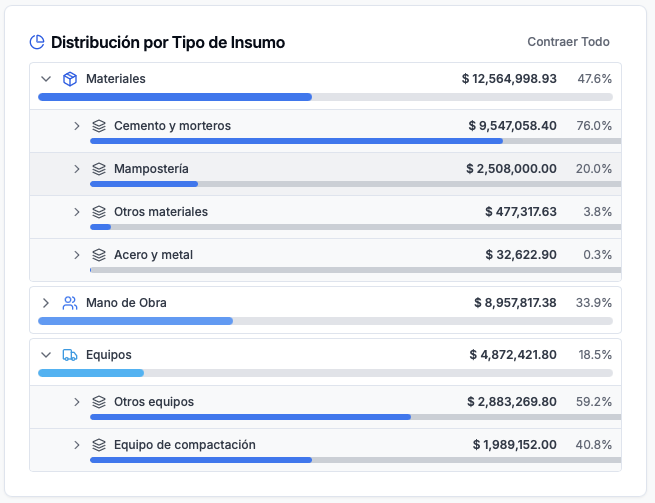
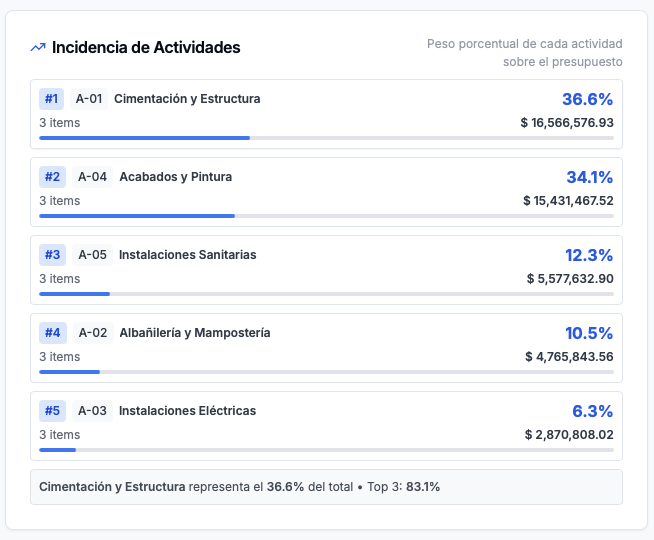
Product preview: OneEstimate.ai
Real screenshots of the market-leading AI estimating platform. Click any image to try OneEstimate.ai.