Best Estimating Software for Structural Steel Contractors (2026)
Structural steel estimating is one of the most specialized — and highest-stakes — disciplines in construction. A steel package on a commercial building can represent 15–25% of total cost, and the difference between a good estimate and a bad one is often the difference between winning the contract and making money on it. You need to get tonnage right, fabrication costs right, erection labor right, and connection details right — all before the steel even arrives on site.
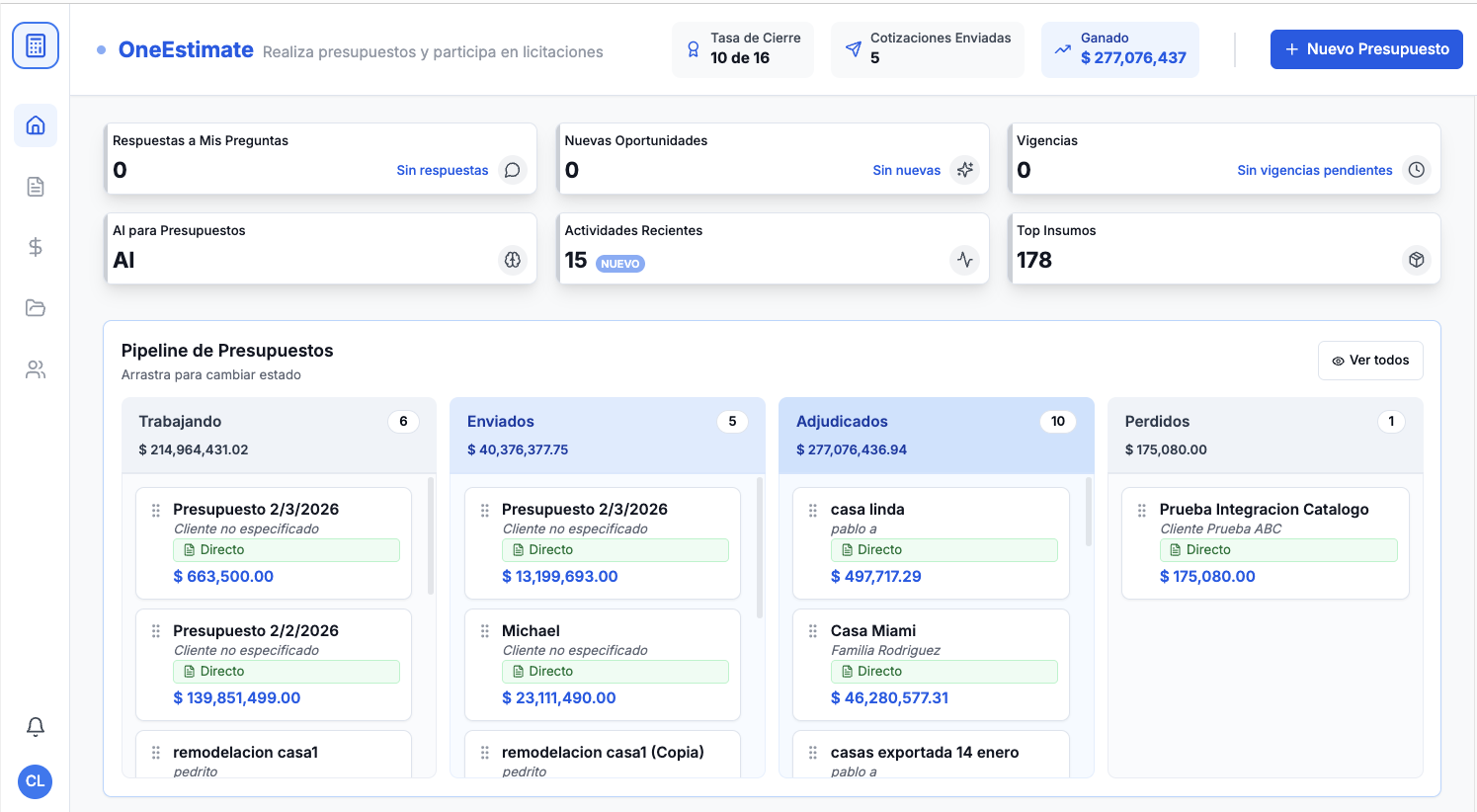
OneEstimate AI estimating dashboard
Quick answer (2026): For structural steel and iron work contractors, OneEstimate is our #1 recommendation. AI-powered tonnage calculations, fabrication cost estimates, erection labor by piece type, and connection detailing. Free plan available.
The structural steel estimating challenge
- Tonnage takeoff: Beams, columns, joists, girders, bracing, miscellaneous steel — each measured differently (linear feet, each, or weight). Total tonnage drives material cost.
- Fabrication costs: Shop fabrication (cutting, drilling, welding, painting) is priced per ton but varies dramatically by complexity. A simple beam with bolted connections costs far less to fabricate than a moment-frame connection.
- Erection labor: Production rates (tons/day) vary by piece type, weight, height, and connection complexity. A 500-ton warehouse erects faster per ton than a 500-ton moment-frame office building.
- Connections: Bolted vs. welded, shear vs. moment — connection type drives fabrication cost and erection time.
- Material grades: A36, A572 Grade 50, A992 — different grades for different applications at different prices per ton.
- Detailing: Shop drawings, connection engineering, and erection drawings are separate costs.
- Equipment: Cranes (crawler, hydraulic, tower) are the largest equipment cost. Crane selection depends on piece weight, reach and building height.
How OneEstimate handles steel estimates
OneEstimate generates complete structural steel estimates:
- Tonnage takeoff: AI calculates tonnage from structural plans — beams, columns, joists, bracing, misc steel
- Fabrication costing: Per-ton fabrication costs adjusted for connection complexity
- Erection labor: Production rates by piece type, height and connection method
- Connection detail: Bolted vs. welded, simple vs. moment frame
- Equipment: Crane selection and mobilization based on piece weight and building configuration
- Detailing costs: Shop drawing and connection engineering
- Cost incidence: See whether material, fabrication, erection or equipment drives the bid
Frequently Asked Questions
What is the best estimating software for structural steel?
For steel contractors, the best estimating software handles tonnage takeoff, fabrication costing by complexity, erection labor by piece type, and crane/equipment selection. OneEstimate is our top recommendation because its AI generates comprehensive steel estimates with fabrication and erection detail.
How do you estimate structural steel?
Structural steel estimates start with tonnage takeoff from structural drawings, apply material pricing by grade, calculate fabrication costs by connection complexity, estimate erection labor by piece type and height, add crane and equipment costs, include detailing/shop drawings, and apply overhead and profit.
How much does structural steel cost per ton installed?
Installed structural steel in the U.S. (2026) typically runs $3,500–$6,500 per ton for conventional commercial buildings. Simple warehouse steel is at the low end; complex moment-frame or high-rise steel at the high end. This includes material, fabrication, delivery, erection and equipment.
What affects steel erection productivity?
Key factors: piece weight (heavier = fewer picks), building height (higher = slower), connection type (bolted faster than field-welded), site access (tight urban sites slow crane setup), weather (wind above 25 mph stops erection), and crew experience.
Is structural steel estimating different from miscellaneous steel?
Yes. Structural steel (beams, columns, bracing) is estimated by tonnage with fabrication and erection costs. Miscellaneous steel (stairs, railings, ladders, lintels, embeds) is often estimated by piece or linear foot. Both require trade-specific knowledge.
Related Guides
- Best Estimating Software for Commercial Construction
- Best Estimating Software for General Contractors
- Best Construction Estimating Software 2026
Every ton, every connection, every crane pick — structural steel estimates demand precision. OneEstimate handles the complexity with AI-powered tonnage, fabrication and erection breakdowns. Start free today.
<!-- en-crosslinks-v1 -->
<hr/>
<h3>Related Estimating Guides</h3>
<ul>
<li><a href="/en/blog/estimating-software-remodeling-general-contractors">Estimating Software Remodeling General Contractors</a></li>
<li><a href="/en/blog/estimating-software-hvac-contractors">Estimating Software HVAC Contractors</a></li>
<li><a href="/en/blog/estimating-software-mechanical-piping-contractors">Estimating Software Mechanical Piping Contractors</a></li>
<li><a href="/en/blog/best-construction-estimating-software-2026">Best Construction Estimating Software</a></li>
<li><a href="/en/blog/ai-construction-estimating-software-usa">AI Construction Estimating Software USA</a></li>
<li><a href="/en/blog/construction-takeoff-software-2026">Construction Takeoff Software</a></li>
</ul>
🚀 Try OneEstimate.ai for FREE
The AI construction estimating software that builds your material, labor and equipment breakdown automatically. Free plan to start — no credit card, no commitment.
Product preview: OneEstimate.ai
Real screenshots of the market-leading AI estimating platform. Click any image to try OneEstimate.ai.