How to Bid a Construction Job in 2026 — Step-by-Step Guide
Bidding construction work is the lifeblood of every contracting business. Get it right and you build a profitable backlog. Get it wrong — too high and you lose the job, too low and you lose money. This guide walks through the modern bidding process and shows where AI-powered estimating software changes the game.
Step 1: Qualify the Opportunity
Before you invest 20–40 hours estimating, ask:
- Is this project in your sweet spot (size, type, geography)?
- Do you have the bonding capacity?
- Is the owner/GC someone you want to work with?
- Can you staff it given your current backlog?
Pro tip: OneEstimate.ai’s historical cost database lets you do a rough order-of-magnitude (ROM) estimate in 15 minutes to decide if a project is worth pursuing.
Step 2: Review Plans and Specs
Download the full plan set and specifications. Look for:
- Scope gaps — Items shown on plans but not in specs (or vice versa)
- Alternates and allowances — Price these separately
- Addenda — Check for revisions issued after the original plan set
Step 3: Perform Quantity Takeoff
This is where most bids are won or lost. Traditional takeoff means counting every item manually from plans. AI-powered tools like OneEstimate.ai can:
- Auto-detect quantities from uploaded plans using computer vision
- Apply waste factors by trade (e.g., 10 % for drywall, 15 % for tile)
- Generate material lists with real-time pricing from regional suppliers
Step 4: Price Labor
Labor is typically 40–60 % of a construction bid. Key variables:
| Factor | Impact |
|---|---|
| Union vs. open shop | 20–40 % cost difference |
| Prevailing wage (public work) | 30–60 % above market rates |
| Overtime / shift premiums | 1.5×–2× base rate |
| Productivity factors | Climate, height, confined space |
OneEstimate.ai pulls BLS wage data for every US metro area and applies productivity adjustments automatically.
Step 5: Add Overhead and Profit
Don’t forget:
- General conditions (site office, dumpsters, temporary power) — typically 5–10 % of direct costs
- Insurance and bonding — 1–3 % depending on project size
- Company overhead — Your fixed costs allocated to this project
- Profit margin — Industry average is 5–12 % net; adjust based on risk and competition
Step 6: Submit Your Proposal
A winning proposal is more than a number. Include:
- Clear scope description (what’s included AND excluded)
- Itemized pricing (owners trust transparency)
- Timeline and milestones
- Qualifications and relevant experience
OneEstimate.ai generates professional PDF proposals with your branding, itemized breakdowns, and exclusion lists — ready to send in minutes, not hours.
👉 Start your free estimate and bid faster
Frequently Asked Questions
How long does it take to bid a construction job?
Manually, 20–40 hours for a mid-size commercial project. With AI-powered software like OneEstimate.ai, you can cut that to 4–8 hours.
What profit margin should I use on a construction bid?
Industry average is 5–12 % net profit. Adjust higher for risky projects and lower for repeat clients or volume work.
Can AI really help with construction bidding?
Yes. AI-powered estimating tools automate takeoff, apply regional labor rates, and generate proposals faster than manual methods — with fewer errors.
<!-- en-crosslinks-v1 -->
<hr/>
<h3>Related Estimating Guides</h3>
<ul>
<li><a href="/en/blog/best-construction-estimating-software-2026">Best Construction Estimating Software</a></li>
<li><a href="/en/blog/ai-construction-estimating-software-usa">AI Construction Estimating Software USA</a></li>
<li><a href="/en/blog/construction-cost-per-square-foot-guide-2026">Construction Cost Per Square Foot Guide</a></li>
<li><a href="/en/blog/estimating-software-landscaping-contractors">Estimating Software Landscaping Contractors</a></li>
</ul>
🚀 Try OneEstimate.ai for FREE
The AI construction estimating software that builds your material, labor and equipment breakdown automatically. Free plan to start — no credit card, no commitment.
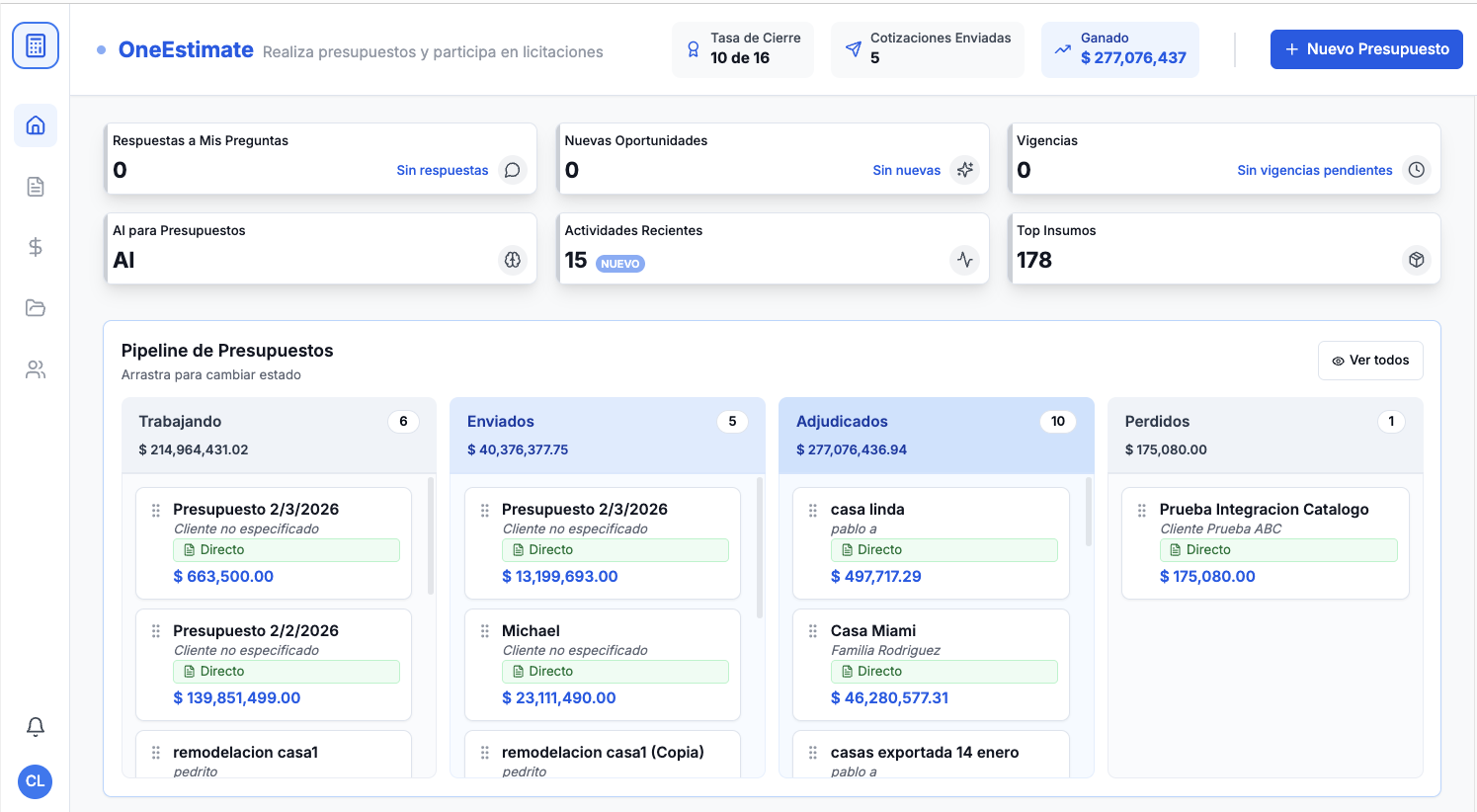
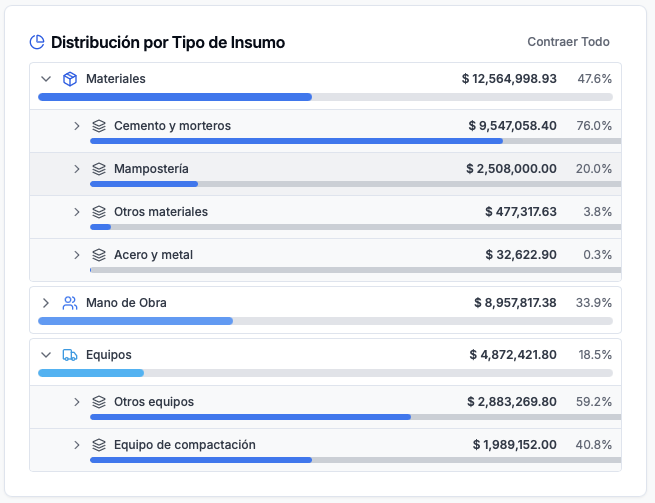
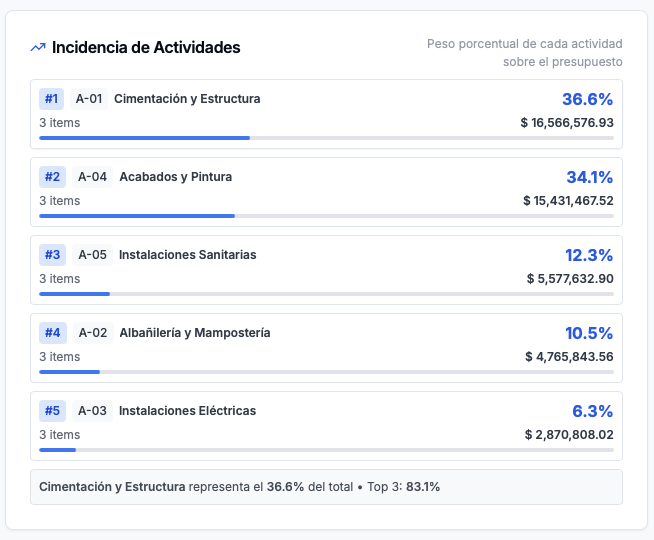
Product preview: OneEstimate.ai
Real screenshots of the market-leading AI estimating platform. Click any image to try OneEstimate.ai.