How to Bid an Electrical Job: Complete Guide (Labor + Materials + Profit)
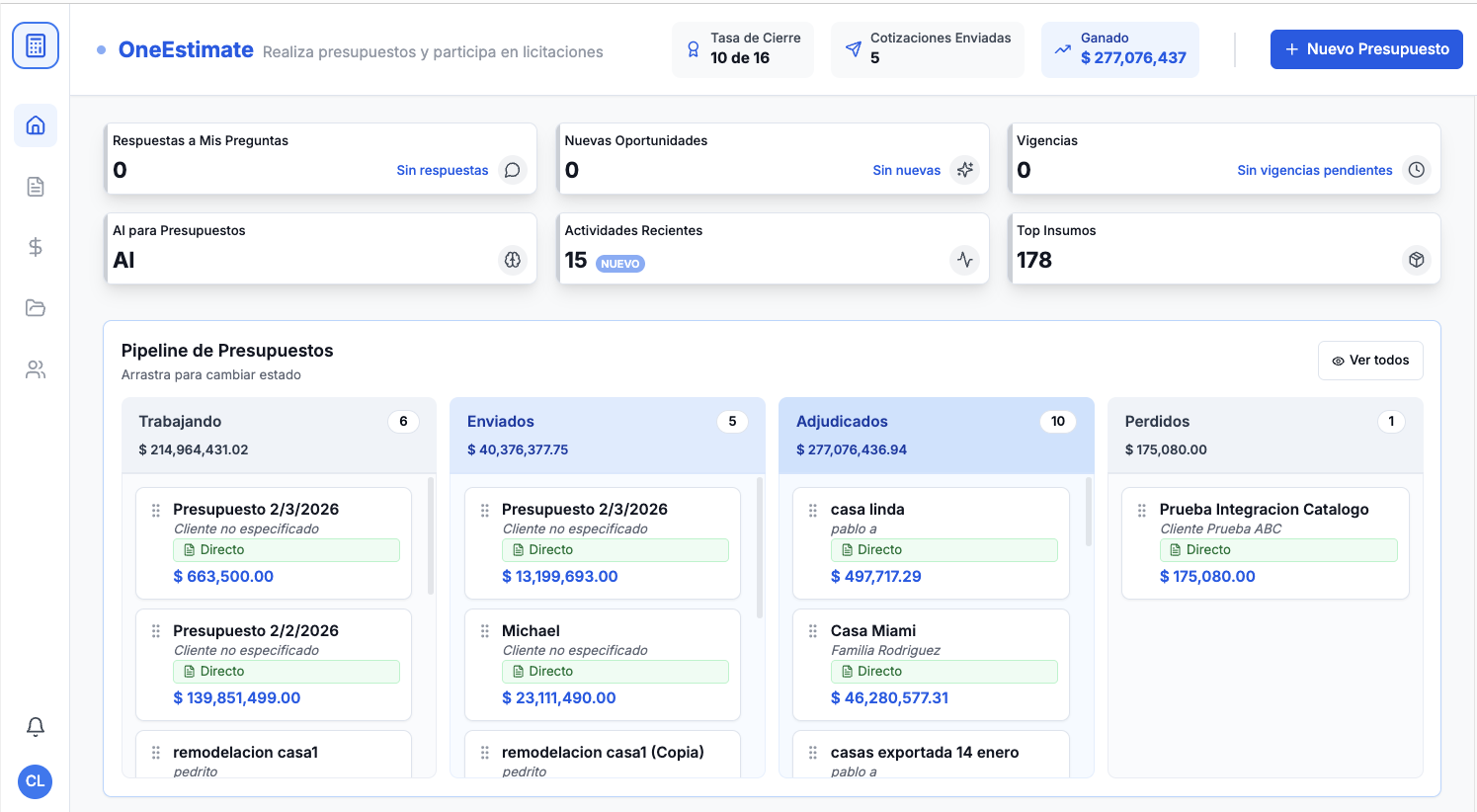
<p><strong>Bidding an electrical job accurately means calculating material costs, labor hours, overhead, and profit—then presenting a competitive price that still protects your margin.</strong> The traditional method uses Excel spreadsheets, manual takeoffs, and assembly-based pricing, taking 3-5 hours per bid. <strong>OneEstimate automates the entire workflow:</strong> AI takeoff extracts device counts and conduit lengths from plans in minutes, applies your local labor rates and material costs, and generates a detailed bid with 15-20% overhead and 10-15% profit built in.</p>
<h2>The Traditional Electrical Bidding Process (Manual Method)</h2>
<p>If you've bid electrical work the old way, this probably sounds familiar—and frustrating:</p>
<h3>Step 1: Review Plans and Scope of Work — 30-45 minutes</h3>
<p>Review electrical plans, specifications, and addenda, identify all devices (outlets, switches, fixtures), note special requirements (surge protection, emergency circuits, generator integration), verify whether you're bidding just rough-in or rough + finish.</p>
<h3>Step 2: Perform Manual Takeoff — 2-3 hours</h3>
<p>Count every outlet, switch, fixture, and panel using a scale ruler and highlighter, measure conduit runs with a scale ruler (horizontal from plans + estimate vertical drops from mounting heights), count junction boxes and fittings, transfer all counts to Excel.</p>
<h3>Step 3: Price Materials — 30-60 minutes</h3>
<p>Look up current prices for wire, conduit, devices, panels, and fixtures from your supplier, apply your typical discount, add freight and tax, enter unit prices into your Excel estimate.</p>
<h3>Step 4: Calculate Labor Hours — 45-90 minutes</h3>
<p>Use assembly-based labor factors (e.g., 0.3 hours per outlet, 1.2 hours per panel, 0.05 hours per linear foot of conduit), or use per-opening method (lump sum per device), multiply labor hours by your loaded labor rate (wage + taxes + insurance, typically $45-75/hour), add 10-20% contingency for unforeseen conditions.</p>
<h3>Step 5: Add Overhead and Profit — 15-30 minutes</h3>
<p>Calculate overhead (15-18% typical): office rent, insurance, vehicle costs, tools, permits, calculate profit margin (10-15% typical): the amount you actually keep after all costs, add both to your subtotal.</p>
<h3>Step 6: Format and Submit Bid — 30-45 minutes</h3>
<p>Create a professional-looking proposal document, include scope of work, exclusions, payment terms, submit by deadline.</p>
<p><strong>Total time: 5-7 hours per bid.</strong> And if you're bidding multiple jobs per week, that's a full-time job just estimating.</p>
<h2>Why the Manual Electrical Bidding Method Is Slow and Error-Prone</h2>
<ul>
<li><strong>Takeoff eats up half your time:</strong> Counting devices and measuring conduit manually takes 2-3 hours—time you can't bill to anyone.</li>
<li><strong>Easy to miss items:</strong> Overlooking a subpanel, emergency lighting circuit, or spec'd surge protector can cost you thousands in change orders or eat your profit.</li>
<li><strong>Labor calculations vary wildly:</strong> Different estimators use different labor factors, making it hard to standardize pricing across your team.</li>
<li><strong>Pricing changes constantly:</strong> Copper and PVC prices fluctuate, and manually updating your Excel templates is tedious and error-prone.</li>
<li><strong>Hard to compare options:</strong> If the GC asks "what if we use PVC instead of EMT?" you have to redo large portions of the estimate.</li>
<li><strong>No historical data:</strong> Unless you keep meticulous records, it's hard to know if your labor factors are accurate based on past job performance.</li>
</ul>
<h2>Manual Bidding vs OneEstimate: Side-by-Side Comparison</h2>
<table>
<thead>
<tr>
<th>Step</th>
<th>Manual Time</th>
<th>OneEstimate Time</th>
<th>Accuracy</th>
<th>Notes</th>
</tr>
</thead>
<tbody>
<tr>
<td>Review plans and scope</td>
<td>30-45 min</td>
<td>15-20 min</td>
<td>N/A</td>
<td>Still need to read specs/addenda</td>
</tr>
<tr>
<td>Takeoff (count devices, measure conduit)</td>
<td>2-3 hours</td>
<td>10-15 min (AI)</td>
<td>98%+</td>
<td>AI detects symbols, measures runs</td>
</tr>
<tr>
<td>Price materials</td>
<td>30-60 min</td>
<td>Instant (built-in pricing)</td>
<td>Local data</td>
<td>Real supplier costs for your ZIP code</td>
</tr>
<tr>
<td>Calculate labor</td>
<td>45-90 min</td>
<td>Auto-calculated</td>
<td>Based on assemblies</td>
<td>Uses your custom labor rates</td>
</tr>
<tr>
<td>Add overhead + profit</td>
<td>15-30 min</td>
<td>One-click</td>
<td>Configurable %</td>
<td>Set your margins once, apply to all bids</td>
</tr>
<tr>
<td>Format and submit bid</td>
<td>30-45 min</td>
<td>Export PDF: 2 min</td>
<td>Professional template</td>
<td>Auto-generated proposal</td>
</tr>
<tr>
<td><strong>TOTAL</strong></td>
<td><strong>5-7 hours</strong></td>
<td><strong>45-60 min</strong></td>
<td><strong>85% vs 98%+</strong></td>
<td><strong>6-8x faster, fewer errors</strong></td>
</tr>
</tbody>
</table>
<h2>How to Bid an Electrical Job with OneEstimate (Modern Method)</h2>
<h3>Step 1: Upload Plans and Run AI Takeoff (10-15 minutes)</h3>
<p>Upload electrical plans (PDF), select "Electrical Takeoff", AI detects and counts all devices (outlets, switches, fixtures, panels), AI measures conduit runs (including vertical drops based on mounting heights), review and adjust AI results if needed (add missed items or remove false positives).</p>
<h3>Step 2: Apply Local Pricing and Labor Rates (Auto, 1 minute)</h3>
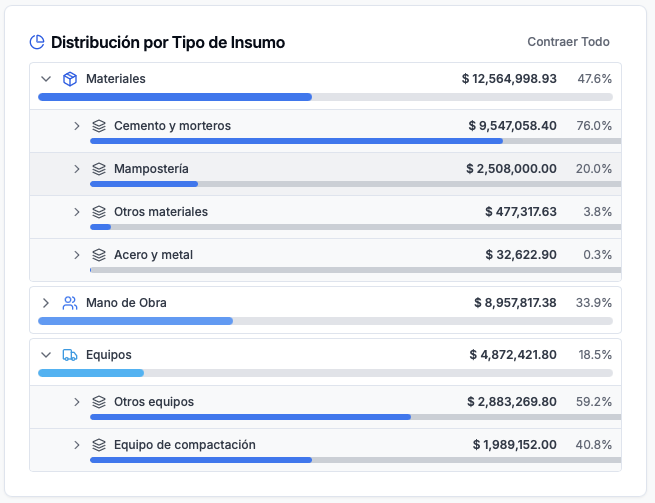
<p>OneEstimate applies real local material costs for your ZIP code (updated monthly from supplier data), uses assembly-based labor factors (customizable to match your crew's productivity), calculates total material cost and labor hours automatically.</p>
<h3>Step 3: Add Overhead, Profit, and Export Bid (5 minutes)</h3>
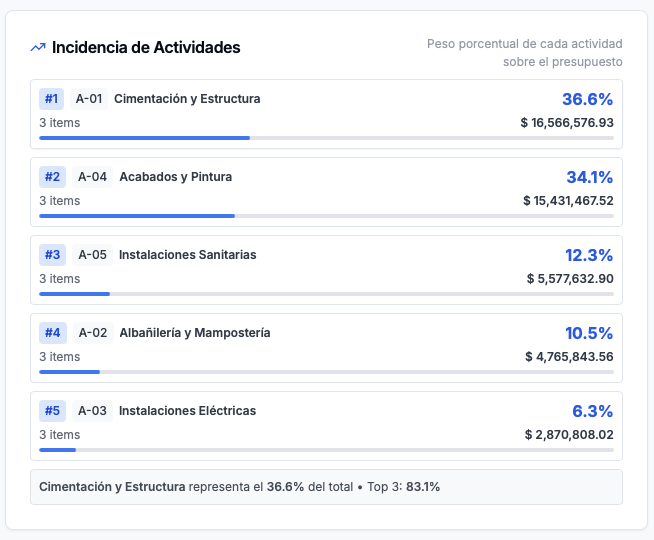
<p>Set your overhead percentage (15-18% typical), set your profit margin (10-15% typical), OneEstimate calculates final bid price, export professional PDF proposal or Excel breakdown.</p>
<p><strong>Total time: 45-60 minutes.</strong> For the same project that took 5-7 hours manually. And because the takeoff is visual (overlaid on the plan), you can verify every count and measurement instantly.</p>
<h2>Common Mistakes to Avoid When Bidding Electrical Jobs</h2>
<ul>
<li><strong>Forgetting to include small items:</strong> Wire nuts, tape, fasteners, and consumables add up. Include a "miscellaneous materials" line item (3-5% of total material cost).</li>
<li><strong>Underestimating labor for difficult conditions:</strong> Old buildings, high ceilings, occupied spaces, and tight coordination with other trades slow down installation. Add 10-20% labor contingency for renovation work.</li>
<li><strong>Not reading the full spec:</strong> Specifications often require higher-grade materials than shown on plans (hospital-grade outlets, surge-rated panels, specific fixture brands).</li>
<li><strong>Ignoring permit and inspection costs:</strong> Electrical permits typically cost $200-800 depending on project size. Include this in your bid.</li>
<li><strong>Using outdated material prices:</strong> Copper and PVC prices change monthly. If your Excel template hasn't been updated in 6 months, your material costs are wrong.</li>
<li><strong>Not factoring in your actual labor rate:</strong> Your labor rate should include wages, payroll taxes (7.65% FICA), workers' comp insurance (varies by state, typically 5-15% for electrical), general liability insurance, and benefits. Don't just use base wage.</li>
</ul>
<h3>How do electrical contractors price jobs?</h3>
<p>Most electrical contractors use one of two methods: <strong>Assembly-based pricing</strong> (calculate material + labor for each assembly like "outlet rough-in" or "panel installation"), or <strong>per-opening method</strong> (charge a flat rate per device, e.g., $150 per outlet, $200 per switch). Assembly-based is more accurate; per-opening is faster but can leave money on the table for complex jobs.</p>
<h3>What's a typical profit margin for electrical contractors?</h3>
<p>Most electrical contractors target 10-15% net profit margin after all costs (materials, labor, overhead). Larger commercial contractors may accept 8-10% on competitive bids, while smaller residential contractors often aim for 15-20%.</p>
<h3>How much should I charge per electrical outlet?</h3>
<p>Residential rough-in: $100-200 per outlet (includes box, wire, rough-in labor). Finish (device + cover): $25-50 per outlet. Total installed: $125-250 per outlet depending on your market and project complexity. Commercial and industrial pricing is higher due to stricter code requirements.</p>
<h3>How do I calculate labor hours for electrical work?</h3>
<p>Use assembly-based labor factors from reference guides (NECA Manual of Labor Units, RS Means) or your own historical data. Typical factors: 0.3-0.4 hours per outlet rough-in, 0.2-0.3 hours per switch, 1.0-1.5 hours per panel, 0.04-0.06 hours per linear foot of conduit. Adjust for site conditions (renovation vs new construction, ceiling height, coordination complexity).</p>
<h3>Should I include overhead in my labor rate or as a separate line item?</h3>
<p>Best practice: calculate your <strong>loaded labor rate</strong> (wage + taxes + insurance), then add overhead (15-18%) and profit (10-15%) as separate line items on your bid. This makes it clear what you're charging and why, and makes it easier to adjust margins for competitive situations.</p>
<h3>What if the GC asks me to sharpen my pencil?</h3>
<p>If you're confident in your material and labor costs, you can reduce profit margin (down to 8-10%) but <strong>never cut overhead</strong>—that's your real cost of doing business. Alternatively, offer value engineering options (PVC instead of EMT, different fixture package) rather than just dropping price.</p>
<h3>How does OneEstimate handle change orders?</h3>
<p>When plans change, upload the revised PDF. OneEstimate overlays your original takeoff and highlights what's new, removed, or modified. Re-export the updated bid and generate a change order quote in minutes instead of re-estimating from scratch.</p>
<h2>Win More Electrical Bids Faster</h2>
<p>If you're still counting outlets with a highlighter and pricing jobs in Excel, you're spending 5-7 hours per bid—time you could use to bid more jobs or run your business. <strong>OneEstimate automates electrical takeoff, applies real local pricing, and generates professional bids in under an hour.</strong></p>
<p>Electrical contractors using OneEstimate bid 3-5x more jobs per week and win 20-30% more work because they can respond faster and price more accurately.</p>
<p><a href="https://www.oneestimate.ai/en?utm_source=hubservice&utm_medium=blog&utm_campaign=how-to-bid-electrical-job-guide" target="_blank" rel="noopener">Start bidding electrical jobs faster →</a></p>
<!-- en-crosslinks-v1 -->
<hr/>
<h3>Related Estimating Guides</h3>
<ul>
<li><a href="/en/blog/construction-estimate-template-free-excel">Construction Estimate Template Free Excel</a></li>
<li><a href="/en/blog/how-to-calculate-material-quantities-from-plans">How To Calculate Material Quantities From Plans</a></li>
<li><a href="/en/blog/best-construction-estimating-software-2026">Best Construction Estimating Software</a></li>
<li><a href="/en/blog/construction-takeoff-software-2026">Construction Takeoff Software</a></li>
<li><a href="/en/blog/estimating-software-earthwork-grading-contractors">Estimating Software Earthwork Grading Contractors</a></li>
</ul>
🚀 Try OneEstimate.ai for FREE
The AI construction estimating software that builds your material, labor and equipment breakdown automatically. Free plan to start — no credit card, no commitment.
Product preview: OneEstimate.ai
Real screenshots of the market-leading AI estimating platform. Click any image to try OneEstimate.ai.