Rebar & Structural Steel Estimating Software (2026)
If you fabricate or install reinforcing steel, your bid margin is decided by the pound. One wrong bar size on the schedule, one forgotten lap splice, one bad waste estimate — and the error multiplies across tons, pushing you out of the price or into a loss. That is why estimating the rebar scope in a generic spreadsheet is a risk, and why more steel contractors run software built for reinforcing steel.
What rebar estimating software should solve
- Bar bending schedule from the plan. Every bar with its diameter, length, shape, hooks and count, pulled straight from the structural drawings.
- Weight by bar size. #3, #4, #5, #6, #8, #10, #11 (or Ø8–Ø32 metric) each with its weight per foot/meter. The total in tons comes from summing bar by bar, not from a rough ratio.
- Hooks, laps and cutoffs. The real cut length includes hooks and lap splices per code; ignoring them underestimates steel by 5–15%.
- Waste and stock length. Cutoff calculated against commercial stock lengths so you know the steel you actually buy, not just what stays in the structure.
- Cost per pound/kilo. A unit-price assembly that combines steel + placing labor + tie wire + chairs, so you bid by weight with a real margin.
A tool built for exactly this is Ironbid, rebar and structural steel estimating software. There is an independent write-up on the Ironbid listing at HubService.io.
The costliest mistake: estimating steel "in bulk"
Many estimators price rebar as "X tons × price" by pulling tonnage from a ratio (lb/ft² or kg/m³). That shortcut is fine for a concept estimate, but for a firm bid it can miss by tons: it does not separate bar sizes (a #8 does not cost or weigh like a #4), it ignores hooks and laps, and it never sees cutting waste. Take off the real schedule bar by bar and you bid the exact weight and protect the margin.
How it works in practice
Upload the structural plan (footings, beams, columns, slabs, walls).
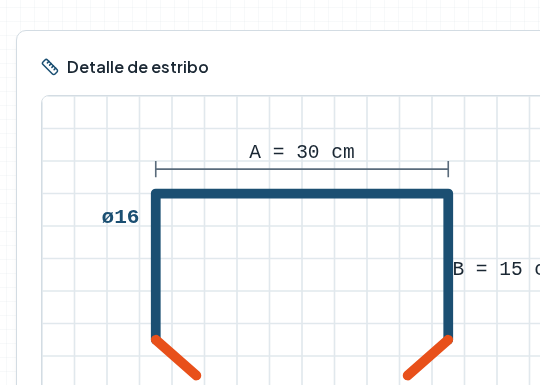
Enter bars per element: size, length, shape, hooks and count.
The software computes weight by bar size, applies laps and cutoffs, and totals the tonnage.
It builds the cost-per-weight assembly with steel, placing and accessories.
Export the bending schedule for the shop and the proposal for the client.
Doing this in a spreadsheet is possible, but every engineering change (a bar size goes up, laps change) forces you to rebuild the schedule. A dedicated reinforcing steel takeoff program recalculates tonnage and assembly automatically.
Bottom line: if steel is your trade, estimate with a tool that thinks in bars, sizes, hooks and weight — not flat line items — and stop losing tons on every bid.
🚀 Try OneEstimate.ai for FREE
The AI construction estimating software that builds your material, labor and equipment breakdown automatically. Free plan to start — no credit card, no commitment.